Zero Waste Sustainable Hacks
Disclosure: This post contains affiliate links, meaning, at no additional cost to you, we will earn a small commission if you click through and make a purchase. Learn more
- Home
- Natural Living
- Sustainable Living
- Zero Waste Sustainable Hacks
These 5 zero waste, sustainable kitchen-to-garden hacks come full circle in this home — easy to implement, and great for the garden too.
In this home, the kitchen and garden come full circle. Here are some zero waste, sustainable kitchen-to-garden hacks practiced every day — easy to implement, and likely to become part of a routine soon enough.
Zero waste and sustainability have become genuine buzzwords lately. For an earlier generation, being mindful of waste and living within one’s means came naturally, without needing a label for it. These days the word ‘sustainable’ gets used pretty loosely, so let’s just call this what it really is: mindful, less-waste living.
Table of Contents
1. Used Black Tea Leaves for Roses
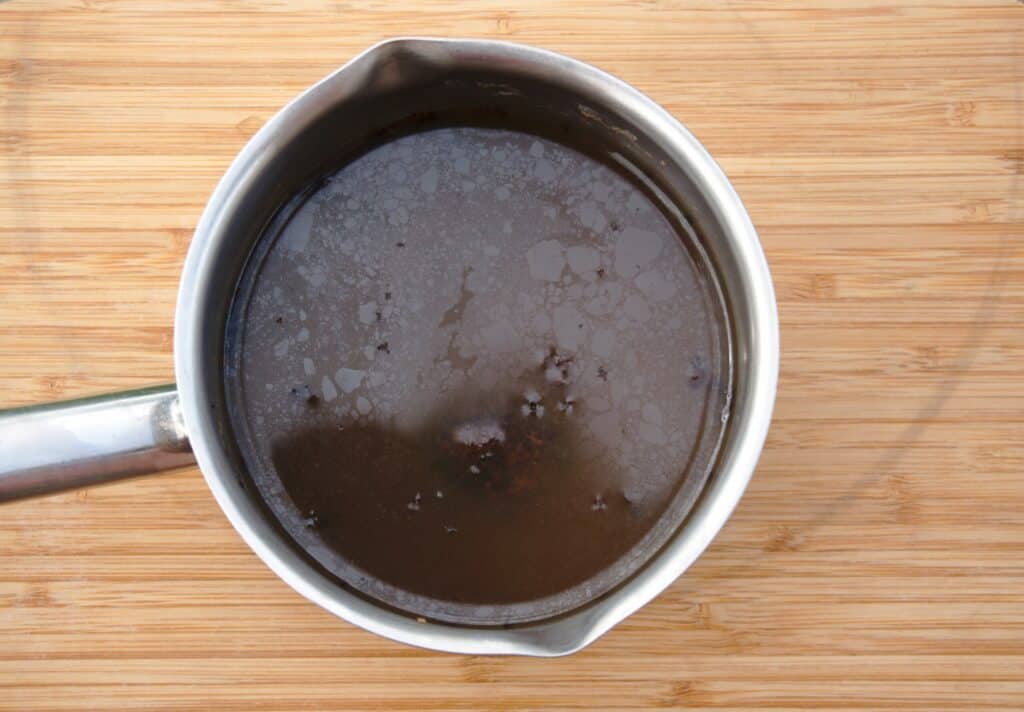
Drinking black tea with breakfast has been a lifelong habit since childhood, when an aunt used to pour used tea leaves, mixed with a little water, straight onto her rose bushes. Instead of composting the used leaves, they now get steeped in water for another half hour before going onto the rose bushes here. Since starting this, the roses have been genuinely happy, tripling their bloom — enough extra roses to make jam and cosmetics from them too.
2. Don’t Waste Walnut Shells
Walnut shells don’t need to go to waste — they work well as pet litter, and finely ground cosmetic-grade walnut shells are used as exfoliants. Since summer grilling is a regular habit here, walnut shells get added straight into the fire, and the resulting ashes go on to fertilize the garden. Walnut shells take a genuinely long time to compost on their own, so burning them first is an easy way to speed that up.
The Full List of Zero Waste Hacks
Supplies List
- 1. Used black tea leaves
- 2. Walnut shells
- 3. Charcoal & wood ash
- 4. Kitchen scraps for compost
- 5. Banana peels & rice water
Instructions
3. Zero Waste Charcoal Ash Hack – It Has Many Uses:
Ashes have plenty of uses. Wood ash carries a high alkaline content along with trace amounts of calcium and potassium, which encourages blooms — genuinely beneficial for soil that tends toward acidic. Spread ashes in spring around alkaline-loving plants like clematis, hydrangea, lilac, and roses. Not every plant appreciates it though — avoid ashes on acid-loving plants like rhododendrons, blueberries, and azaleas, and use them sparingly in compost, since too much can counteract the benefits of manure and other high-nitrogen materials.
Ashes for Cleaning:
Fireplace glass doors clean up well with a little ash — mix some with water and apply with a damp cloth, sponge, or paper towel, then rinse and dry. The result is genuinely surprising. Wood ash was also a key ingredient in old-fashioned lye soap, and it’s still used for that in parts of India. While camping, ash makes a handy scrub for cookware too, though it can scratch delicate pots and pans, so it’s best used with care — it also polishes pewter well.
4. Compost Kitchen Scraps:
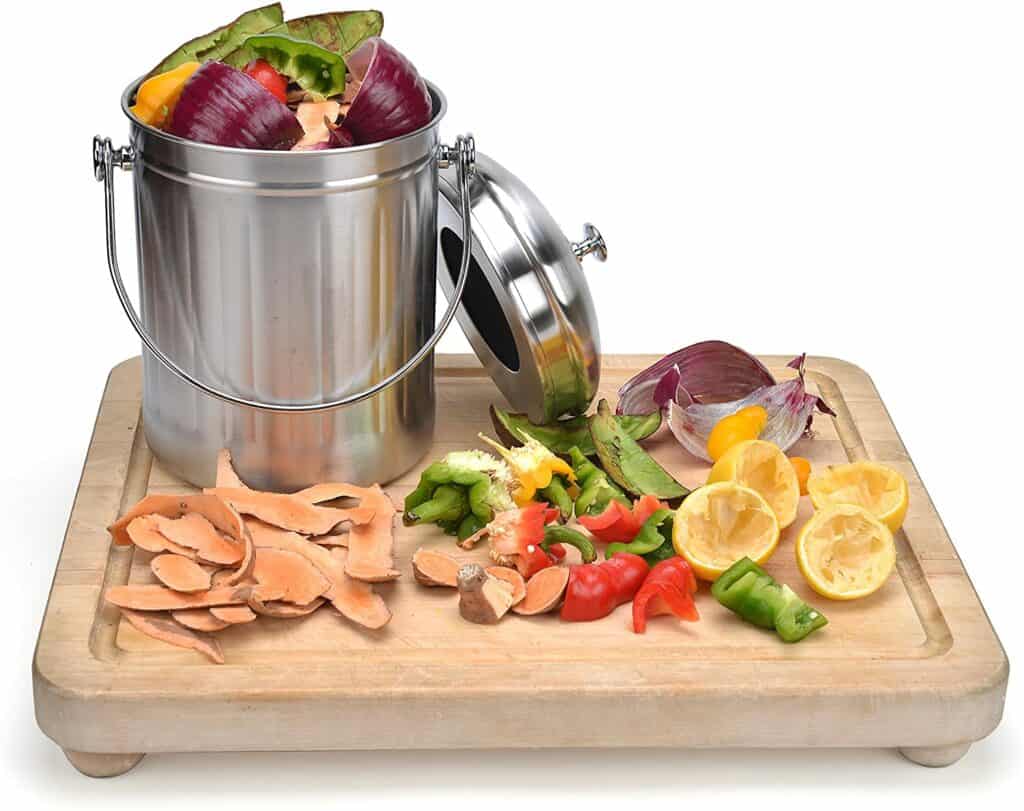
Composting kitchen and garden scraps is a big part of the routine here, with 3 large compost bins kept in rotation to feed finished compost back to the garden. Once ready, it gets spread across all the beds and also works well for preparing mulch beds. Composting kitchen waste, whether privately or communally, is standard practice across Swiss households.
5. Collect Banana Peels and Rice Water:
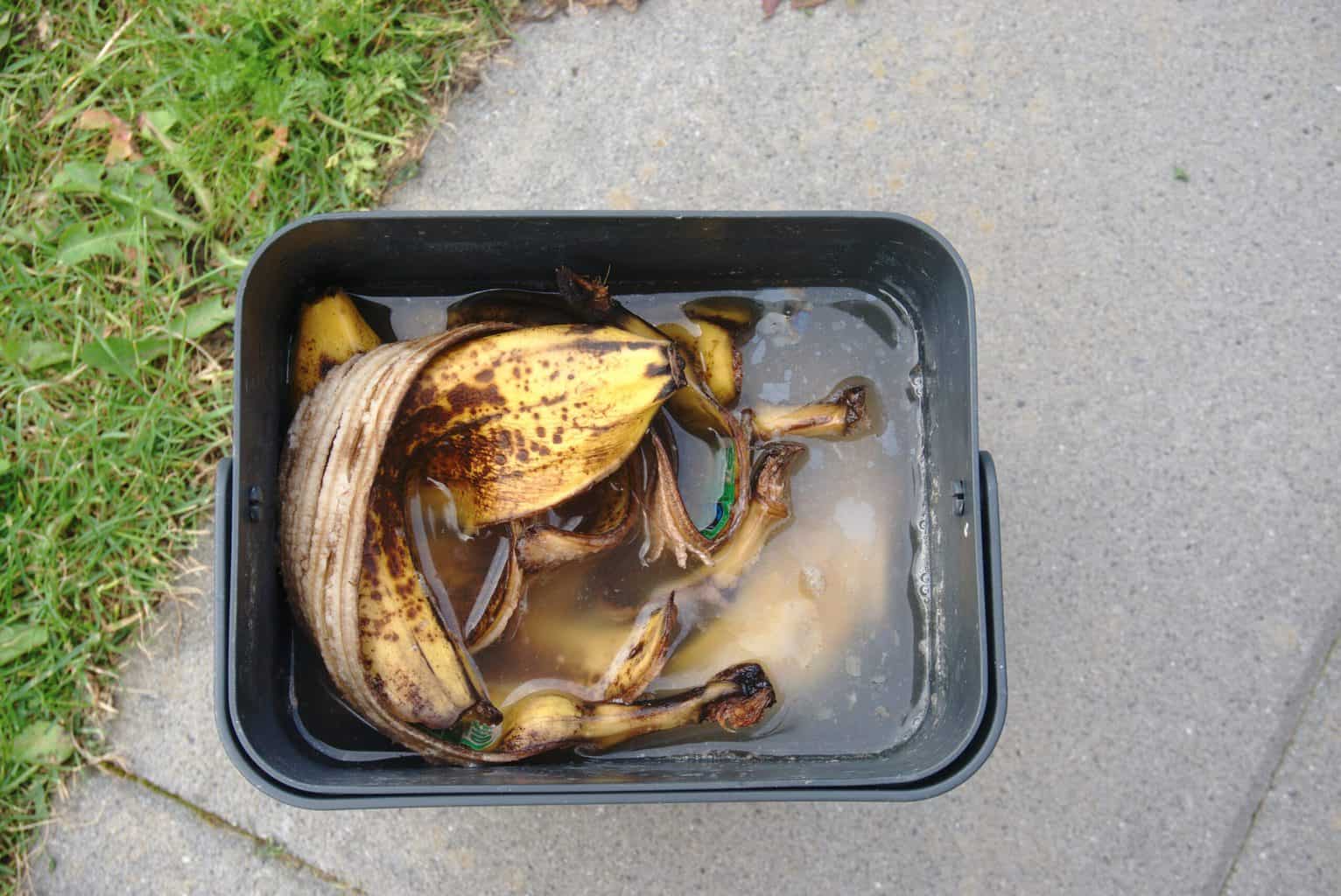
Bananas are rich in potassium and antioxidants like vitamin C, so instead of tossing the peels, they get collected separately, then soaked with the water used for washing rice or vegetables. Adding rice water to the peels nourishes them further — soaking for about 2 days before pouring onto the plants. Houseplants have looked noticeably more vibrant and healthy since starting this, on top of a genuinely nutrient-rich fertilizer for the garden. Banana peels can also go straight onto rose plants, or simply into the compost — both peels and rice water are natural fertilizers with plenty of uses.
Trying Never to Waste Anything
Trying never to waste anything has become second nature here — these are just a few of the zero waste, sustainable hacks practiced regularly in the kitchen and garden.
A Few Quick Tips
Steep tea leaves before using them on roses: letting used black tea leaves sit in water for about half an hour first makes them even more effective.
Burn walnut shells instead of composting them: they take a long time to break down naturally, so burning speeds up the process while producing useful ash.
Go easy on ash in compost: too much can counteract the benefits of manure and other nitrogen-rich materials.
Soak banana peels with rice water: about 2 days of soaking makes a genuinely nutrient-rich fertilizer for houseplants and garden beds alike.
Watch the Video
Frequently Asked Questions
No — wood ash suits alkaline-loving plants like clematis, hydrangea, lilac, and roses, but should be avoided on acid-loving plants like rhododendrons, blueberries, and azaleas.
Walnut shells take a genuinely long time to compost on their own, so burning them first speeds up the process while producing useful ash for the garden.
Soaking banana peels with rice water for about 2 days makes a nutrient-rich natural fertilizer for houseplants and garden beds, or they can be used directly around rose plants.
Your feedback is valuable
Have some feedback you’d like to share? Leave a note in the comment section below! Thank you so much for visiting Vital Fair Living – we’re so happy you’re here! and thanks for taking the time to read this post. I would love it if you can share this post using the social media buttons.