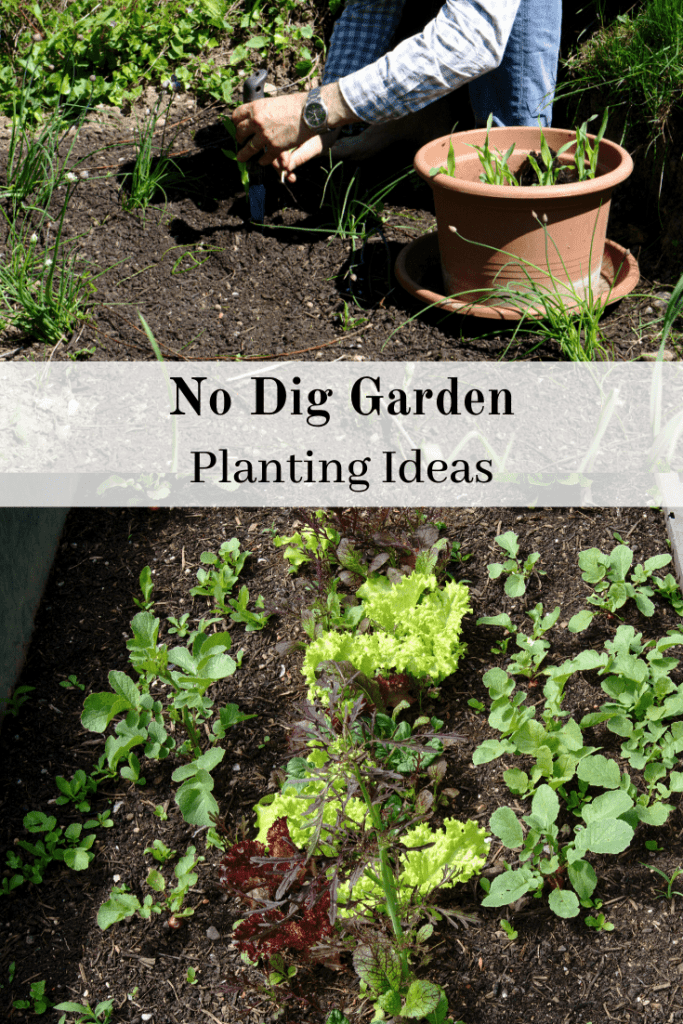
Looking for planting inspiration ? Here are some budget friendly no dig garden planting ideas.
Spring and summer is a hectic time for us in our garden. I have already shared a post on how we created a no dig garden earlier this year. After that it seems I have forgotten to write about our success and failures so far. So it was time to share that too. Because, just planning a no dig garden is not enough without planting anything. So let me share our no dig garden planting ideas for 2020.
BUDGET FRIENDLY PLANTING IDEAS
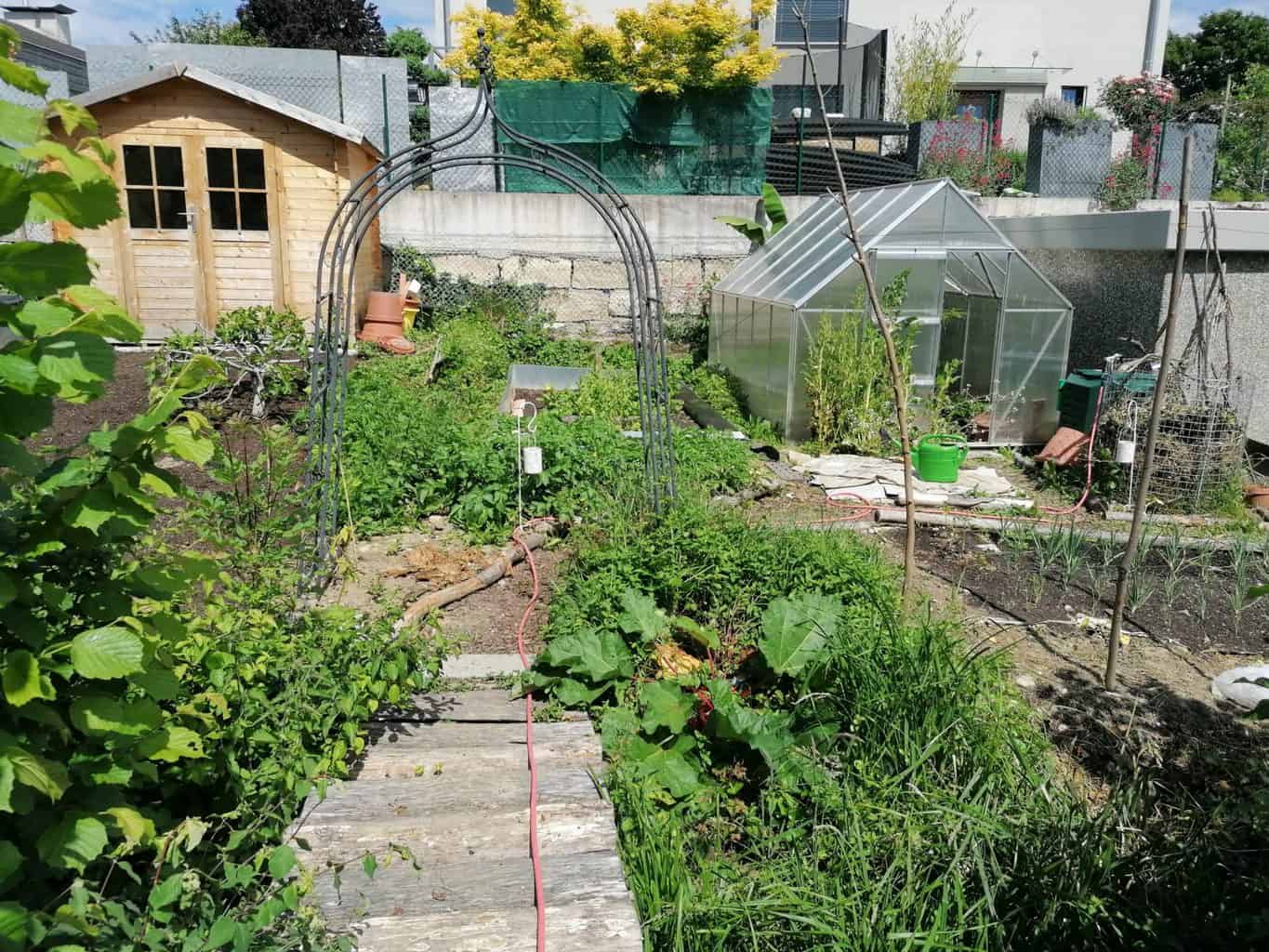
Switzerland went into a total shut down mode between mid march until mid of may, so it was very difficult to get new seeds or seedlings during this time. Luckily for us, we had our heirloom seeds and were not too worried. We were able to source some of the new seeds way back in early march.
Our main intention was also to stay in budget and not spend too much for our seeds. Moreover, its best to plant your heirlooms, as they came from the same soil in which the parent plant was productive. This is the best for the plant as its already accustomed to our soil. I have it from a good friend that this was the best way for a plant to thrive too.
In addition to that you are staying on budget with the added bonus of planting your heirlooms.
One of the many videos I made with our planting that I will share here.
OUR NO DIG GARDEN PLANTING IDEAS
1. GARDEN PEAS
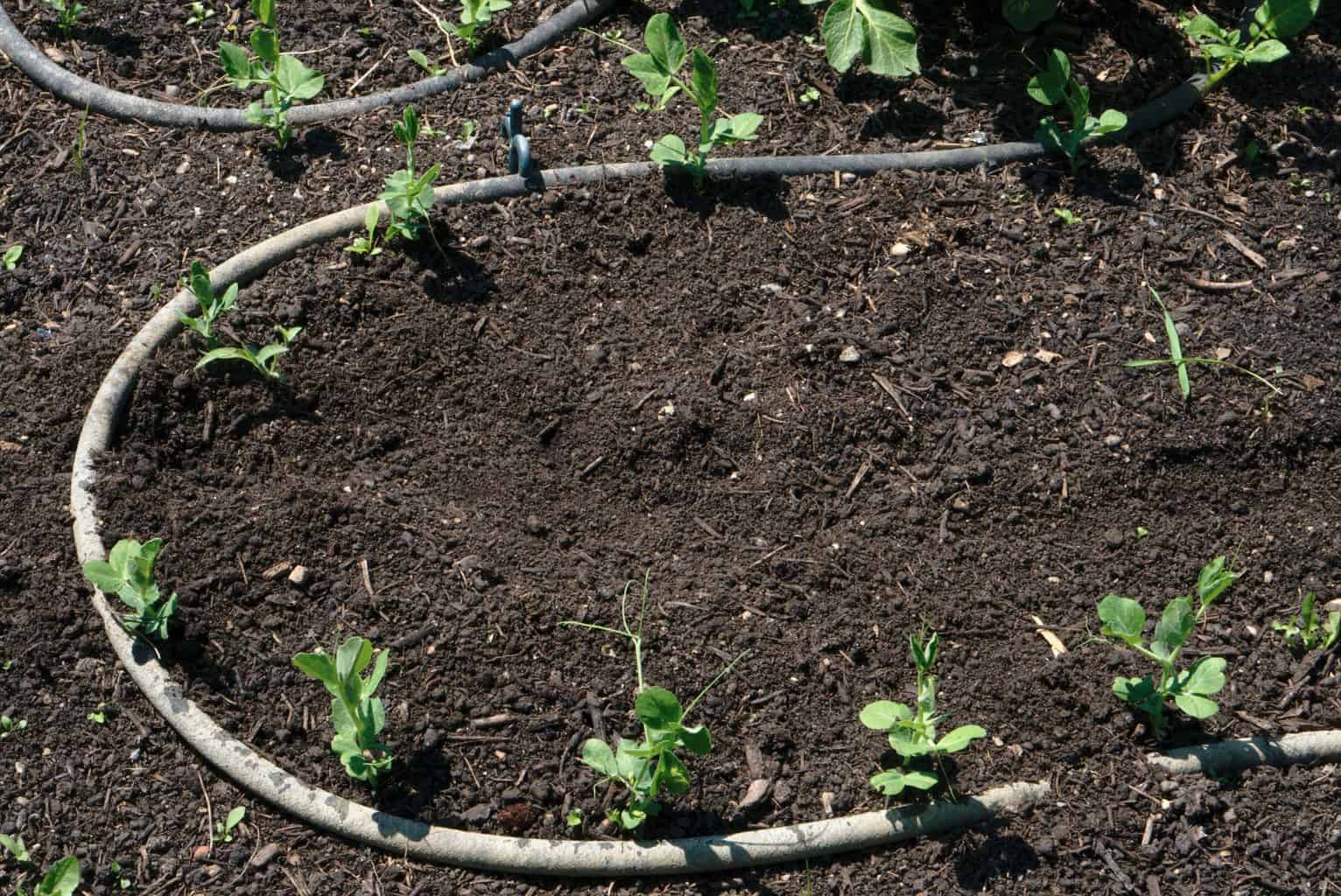
Peas are an excellent source of adding Nitrogen to your soil. So this year we planted some of it in one of our patches. For the few seeds we plant we can get quite a good yield. This adds a little variety to our summer garden produce too.
2. HEIRLOOM TOMATOES
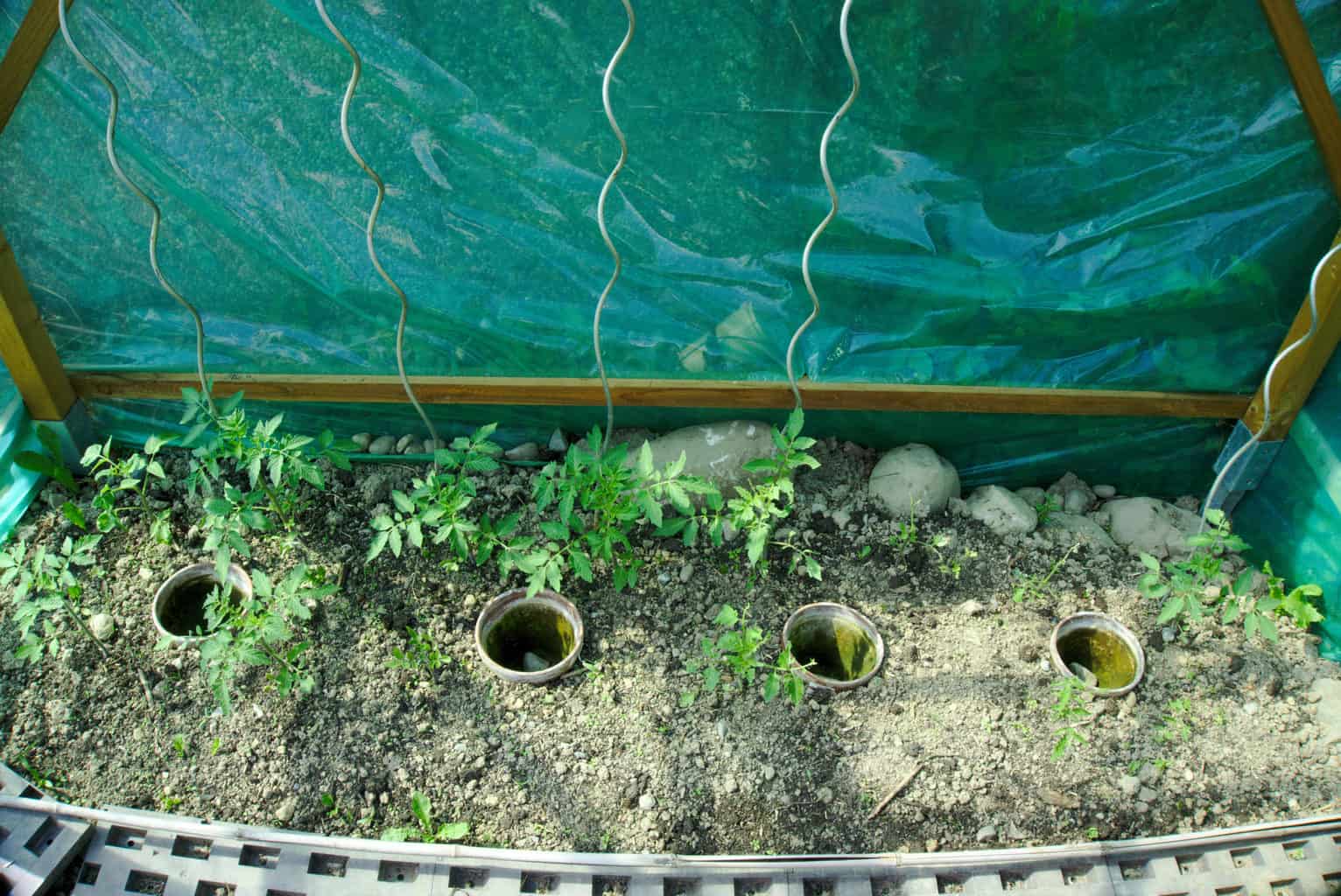
For planting tomatoes, last year we made an additional temporary green house for tomatoes. We used special greenhouse UV Polyethylene plastic sheets for the cover on the frame we constructed ourselves. These special sheets have survived the winter and so we could reuse them again this year. This has helped us also to save some additional costs.
First we germinated the heirloom tomato seeds inside our home and after that transferred them to the greenhouse. We dug in some terracotta pots close to the plants. These terracotta pots will water the tomatoes passively, as you need to water only the roots and this works well. The trick for tomatoes is to water only the roots as opposed to the leaves. Otherwise, they will form mold on the leaves.
3. POTATOES
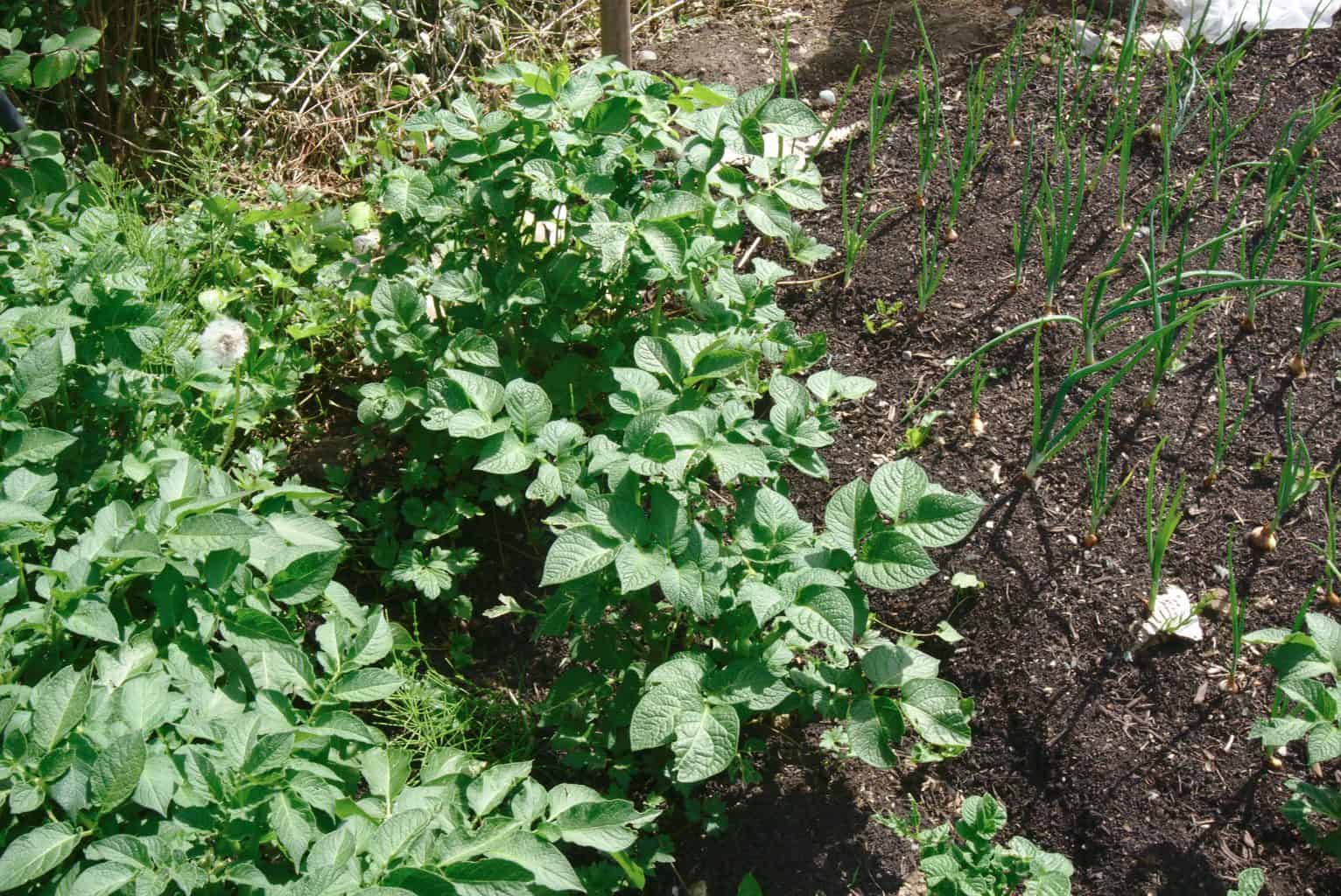
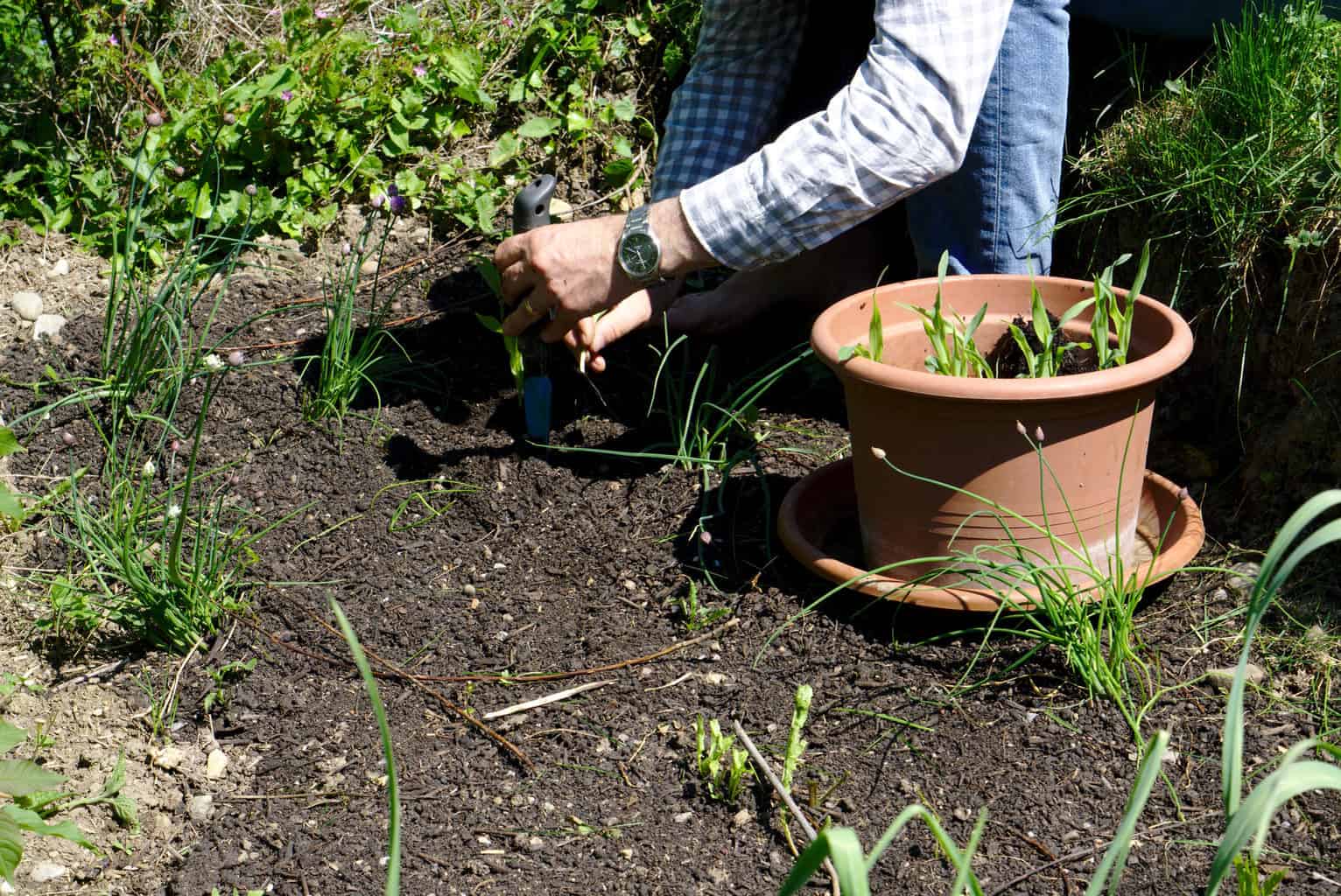
Since potatoes are a high yielding plant, its wise to plant them at least twice in the year. Potatoes are also budget friendly. We planted potatoes in a few different places this year. The above picture shows one such patch next to the onion patch. You cannot plant potatoes in the same patch every year. Give that patch a break for 2 to 3 years before you can use that again for potatoes.
Potatoes also store well for long in a cold place like your cellar. Store them unwashed with the soil.
4. SOME TROPICAL SEEDS
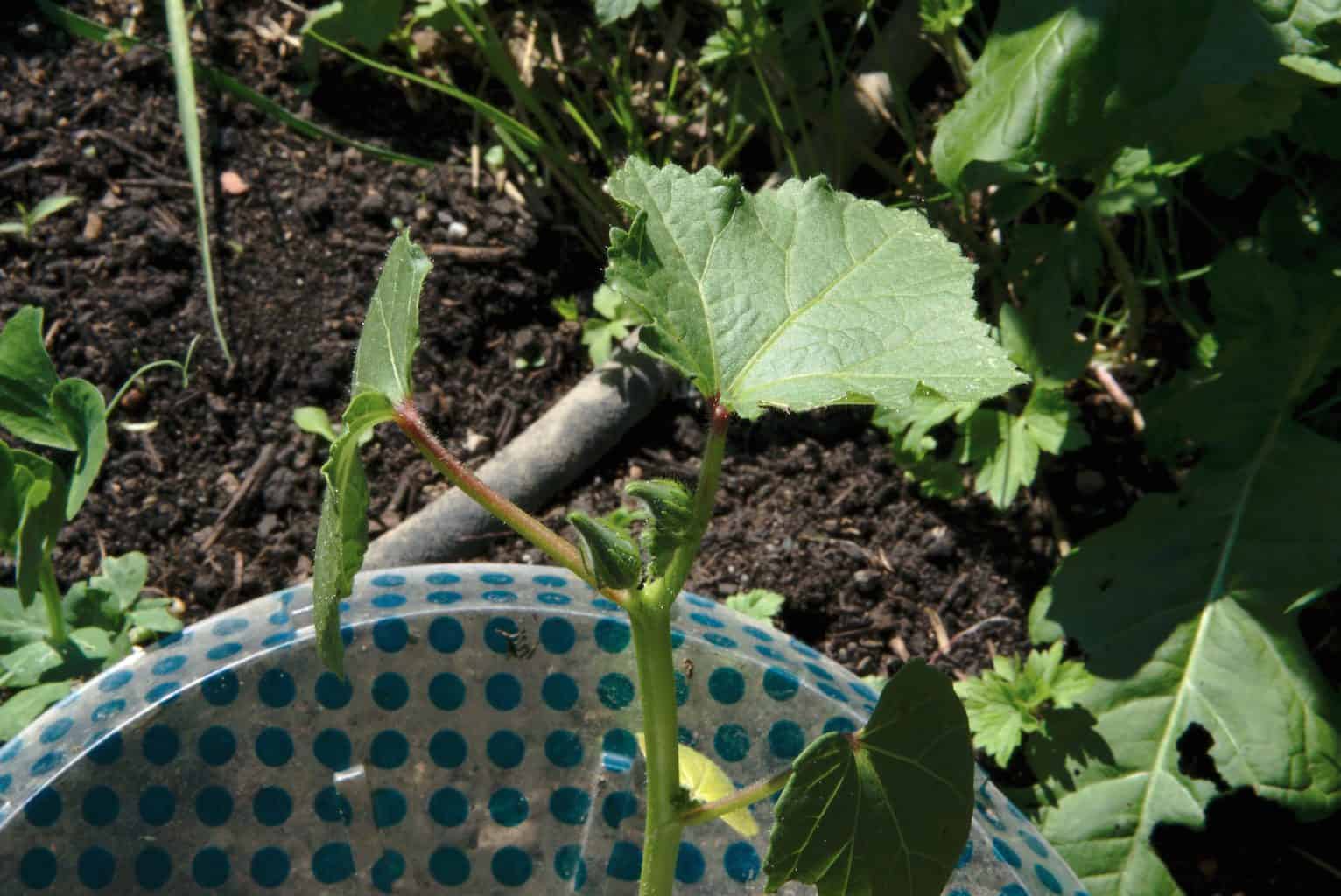
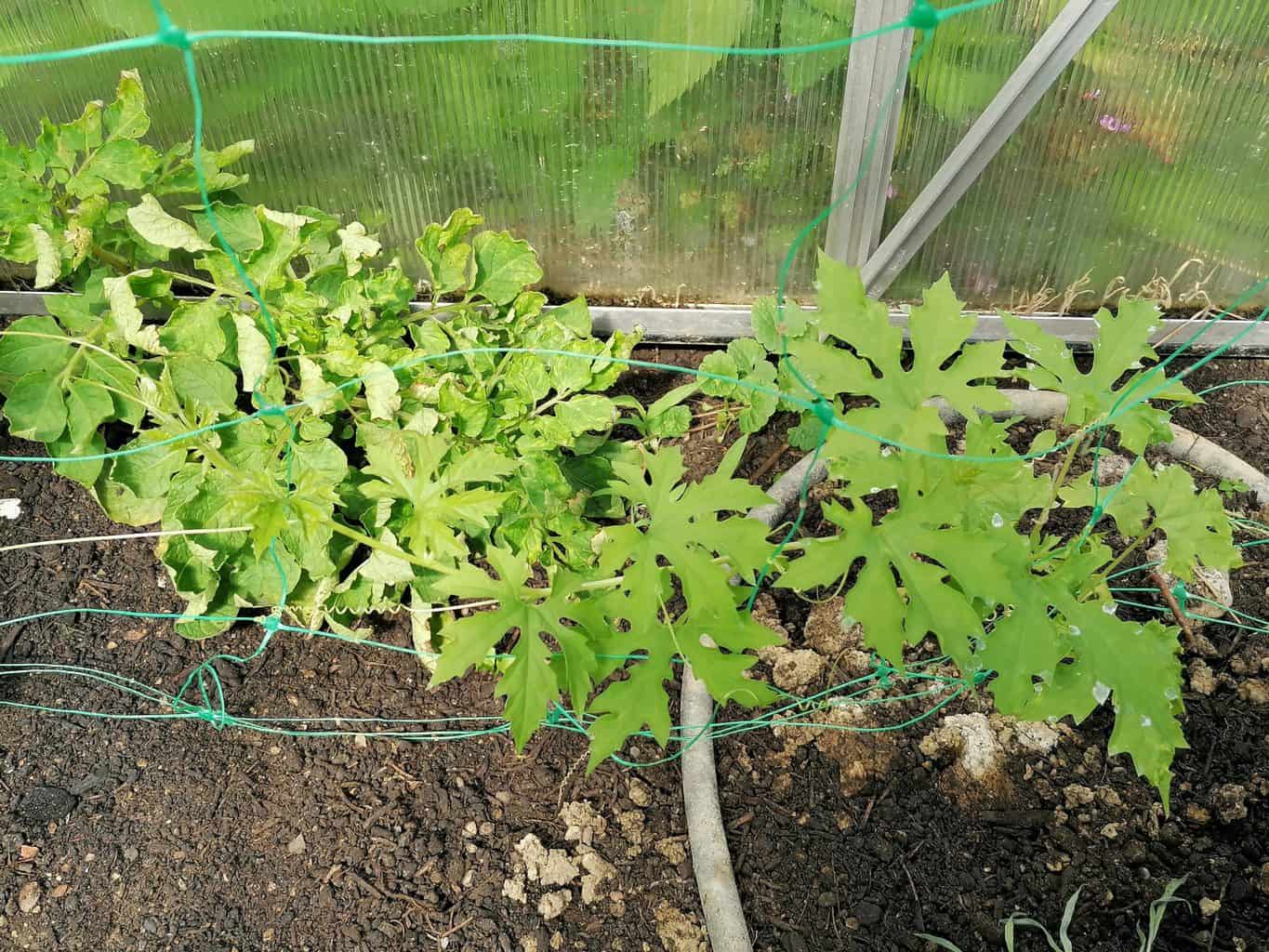
We had some more special heirlooms from the last couple of years. So we planted some bitter melon, chilies, and Okra. Lets just hope these plants survive a relatively cold spring we had so far. Not many survived the first stage, but looks like a couple of them are thriving. These need a warm climate, so we planted some of them inside the green house.
5. ONIONS AND GARLIC BULBS
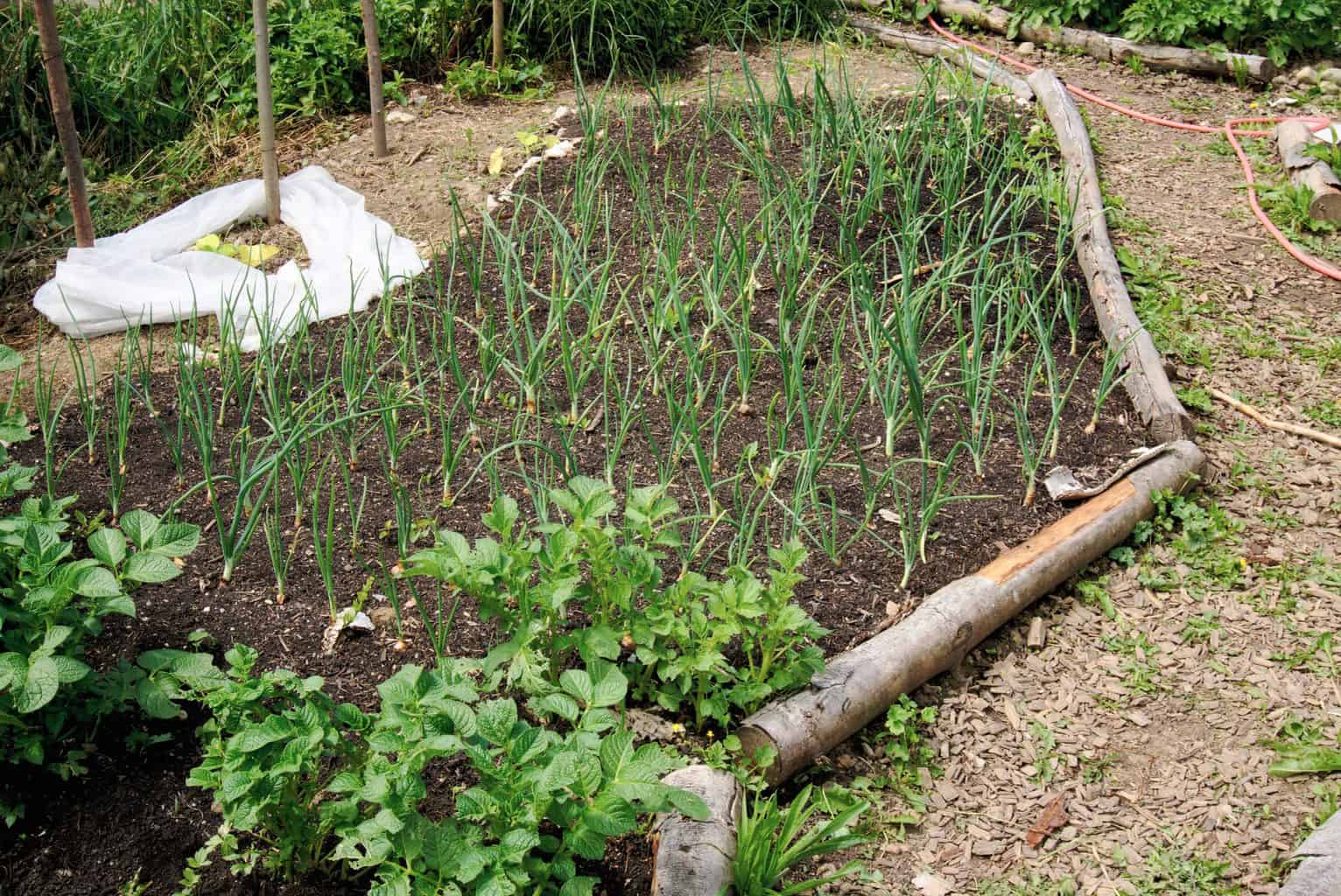
Planting onions and garlic are a cheap way to bulk out your garden produce. Moreover, onions and garlic can also be stored for a long time without the need for refrigeration. In fact, I was using up our garlic produce from our autumn harvest till early spring this year. And replanted some of them back again.
6. SALADS

We have a galvanized iron vegetable bed. We usually use this for salads and other veggies. This bed helps in keeping the slugs out, but mind you its not 100 % slug proof. The slugs have a sixth sense to come and attack your precious salads and greens as soon as you plant them. So you will have to be watchful and get a snail cap to cover the salads otherwise you will have no green salads. Slugs love these fresh leaves.
In the above picture, you see that we have planted an assortment of different salads. I like to have a few varieties for my salad bowl. In addition to the green leafy salads, we also planted some salad radishes. We are going to be collecting the seeds again this year, so will leave a couple to flowers and fruit.
7. GREEN HOUSE PLANTING IDEAS
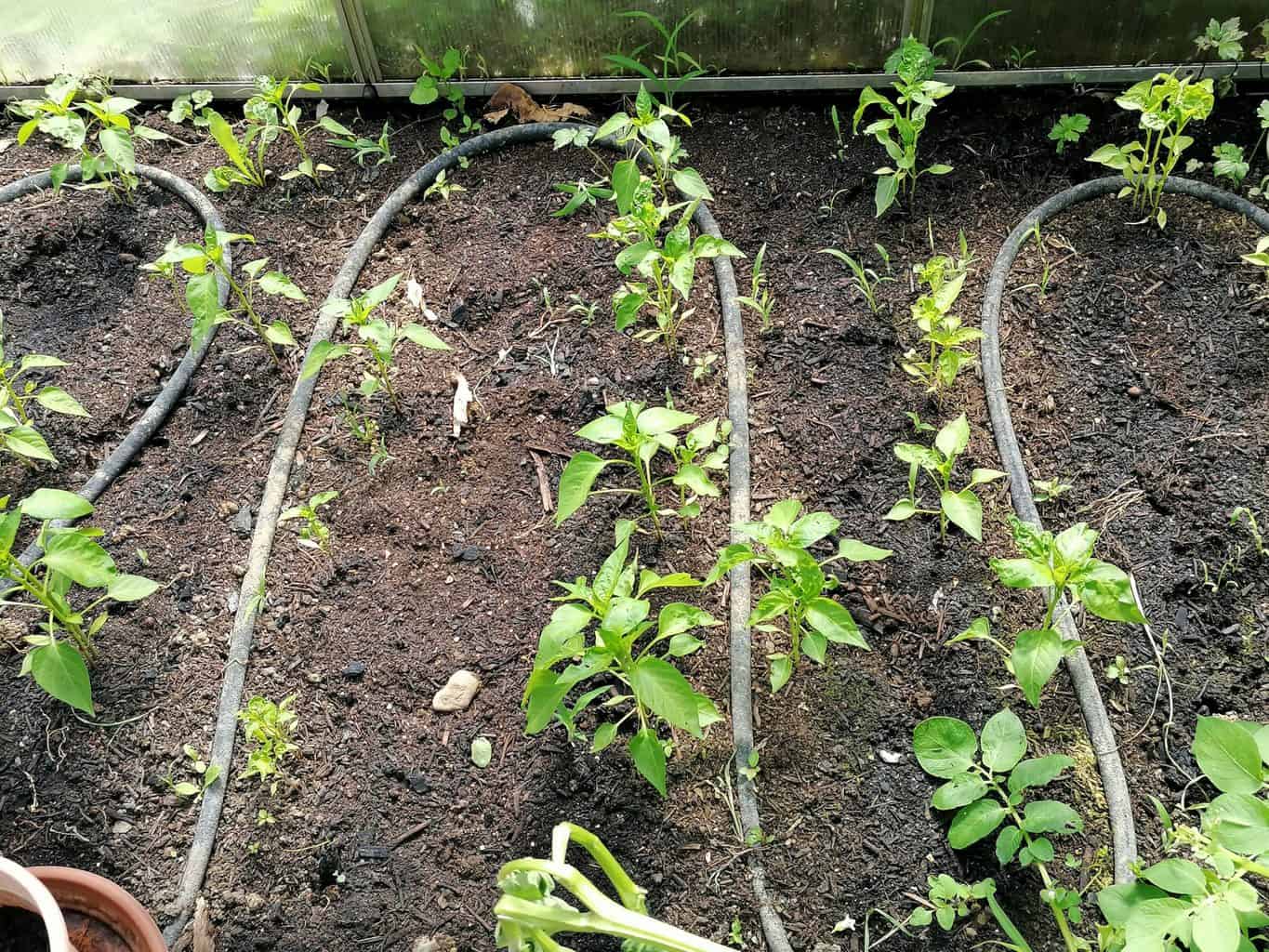
Because the season is so short in Northern Europe, our green house helps to extend the season. So this year we planted more of our heirloom seeds like chilies, eggplants and some more Indian vegetables like bitter melon and snake gourd.
Chilies are also something you can plant to bulk up. If you have too much of it, you can freeze, pickle or dry them. I prefer freezing so that I have enough till the next season. Its not so easy to get this particular variety of organic green chilies that we like. I use chili sparingly so the yield we get is sufficient.
8. DIFFERENT VARIETIES OF SQUASHES
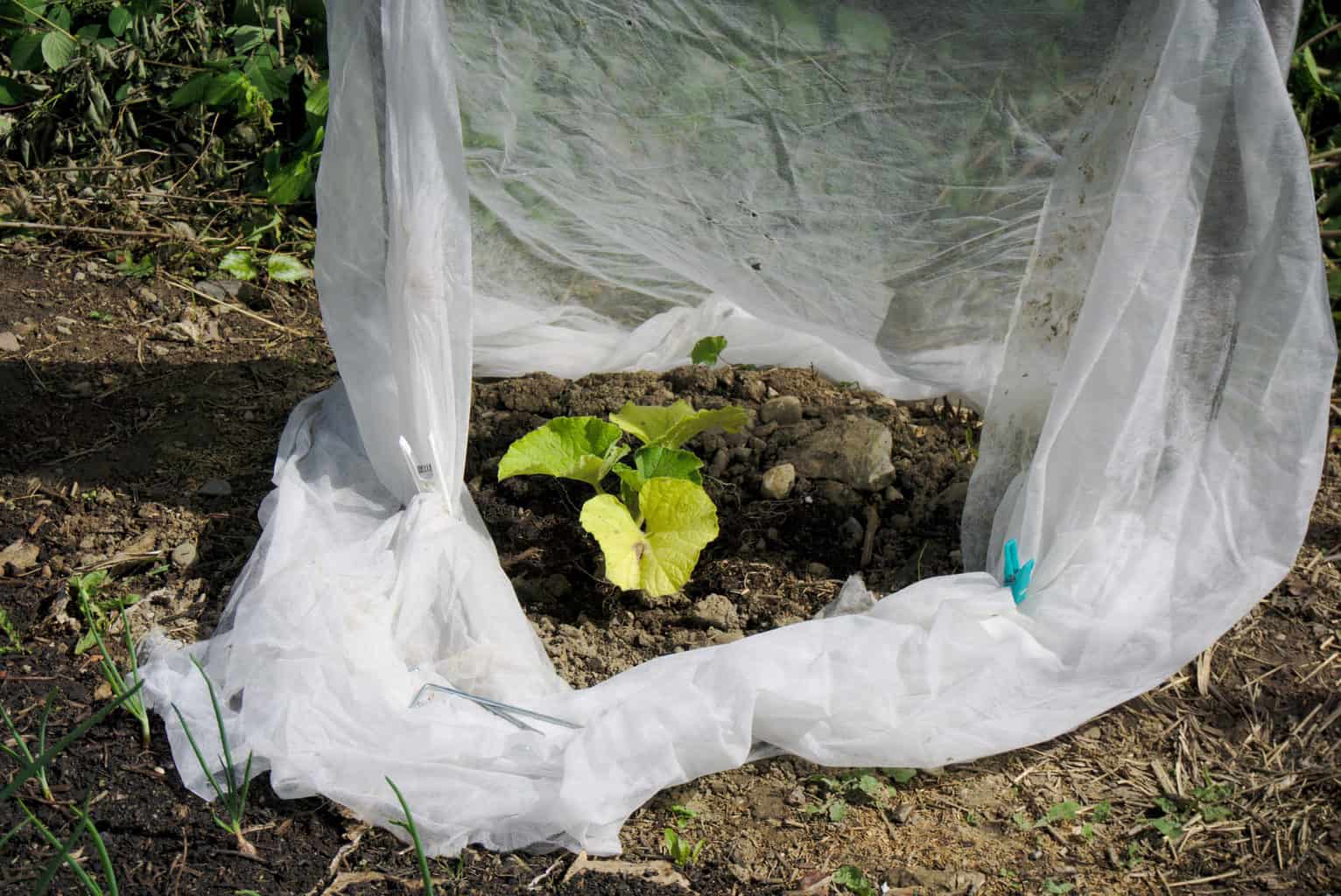
Different squashes like pumpkins, zucchinis, cucumbers are ideally suited. You can harvest the pumpkins till late autumn and they also store well into late spring. In fact, I have the last of the butternut squash in my cellar and its still good. Cucumbers are great for salads and pickling. In addition to that, you don’t need to be buying seeds, we have been using up our heirloom seeds from the past 3 years.
9. SUMMER VEGETABLES
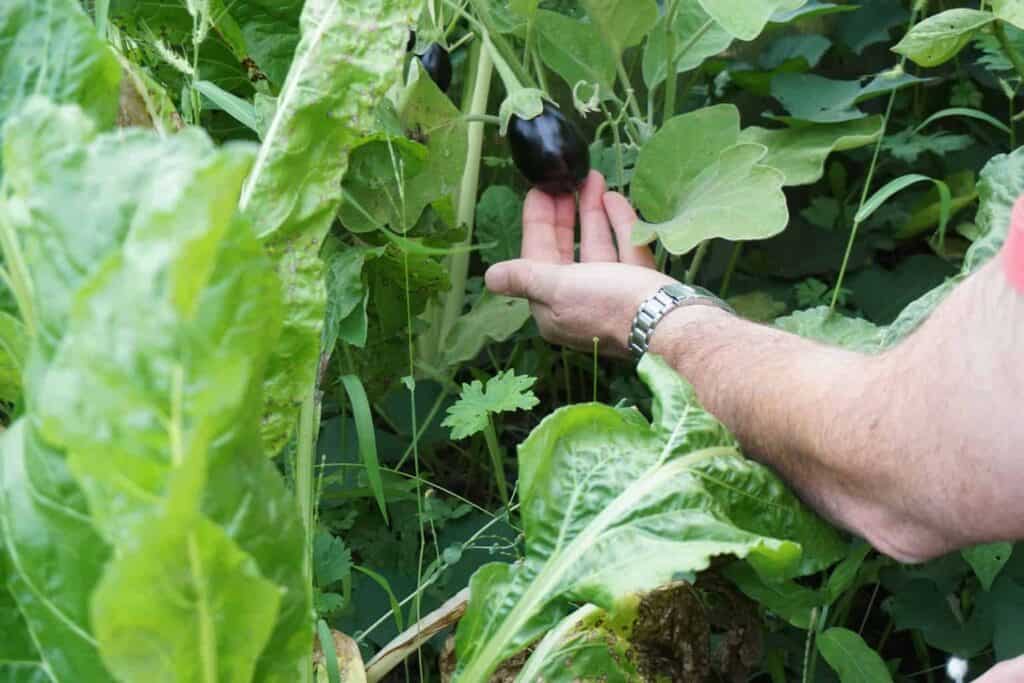
Need I say what is seasonal here in Europe. We typically plant eggplants, cucumbers, bell peppers, beans, Swiss chard, spinach etc. etc. We do try. Then we also start with autumn garden preparation by August to extend the season. For all these different varieties, I usually collect heirloom seeds. So cost of buying new ones are eliminated.
10. HERB GARDEN
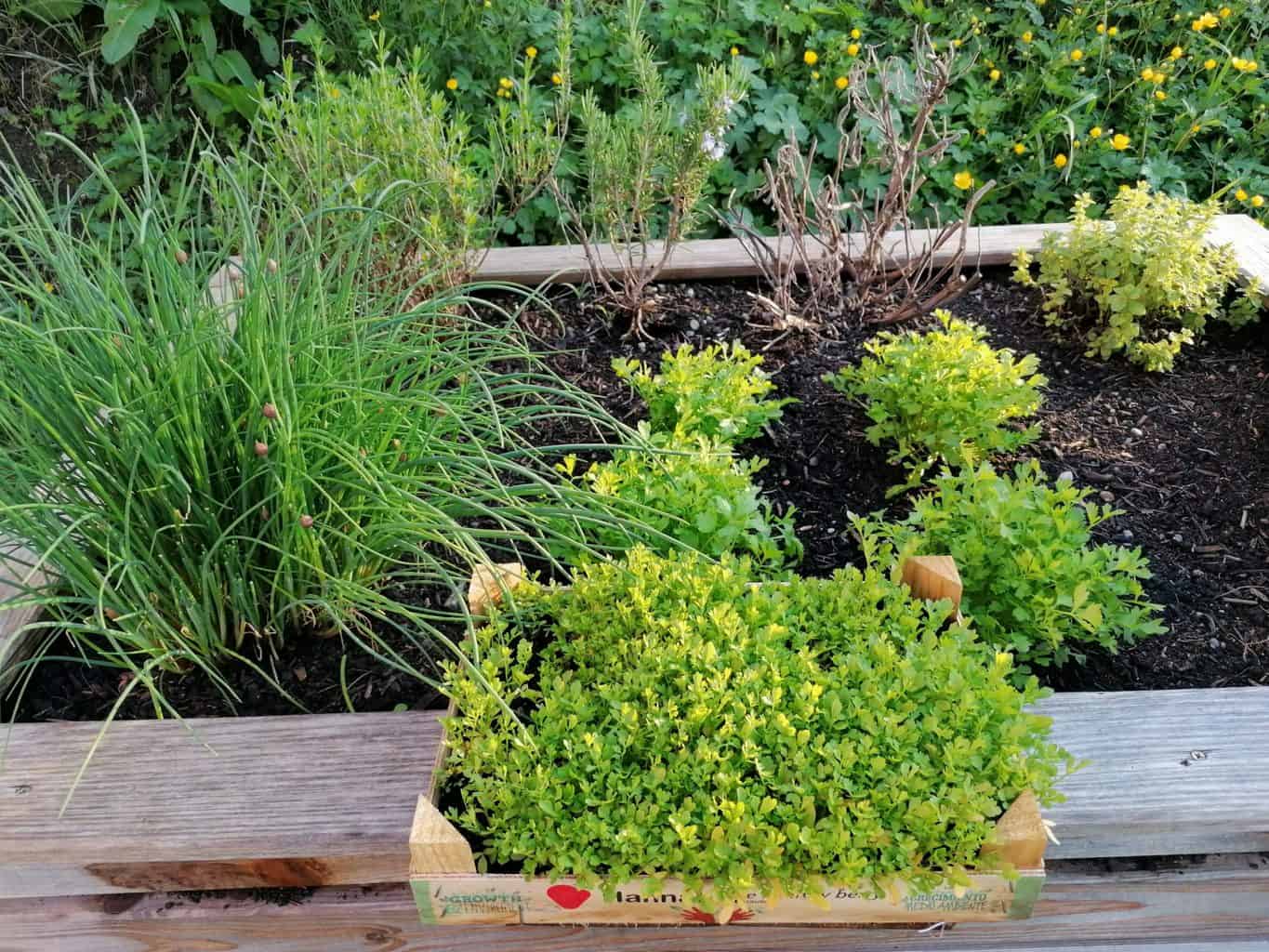
What would a thriving vegetable garden be without a Herb garden. We have allocated 2 raised beds for herbs. Most of the herbs are perennials. We planted a couple of years back chives, Rosemary, Thyme and Oregano. They survive these harsh winters and come back for the 3 rd year. We only lost Sage this year, so have to replant them again. Mint is another herb you can plant in a big pot. Don’t plant them on the ground as mint is invasive. We are trying to rectify that mistake by re-potting them from the ground.
On this note I will conclude this post. There is so much to write about, I probably left out many details. In the meantime, we have started harvesting some of our perennials. That needs a post by itself.
Your feedback is valuable
Did you like No dig garden planting ideas? I hope this post was useful to you.
Leave me a comment, I’d really love to know! Also Tag me on Instagram @swisshomegardenofficial
Thank you so much for visiting Vial Fair Living – we’re so happy you’re here! and thanks for taking the time to read this post. I would love it if you can share this post using the social media buttons you see next to the post and give this post a 5 Star rating.
PIN IT FOR LATER