
Its been a while since I wrote anything on this blog. Some of the reasons was I was just too busy with many festivities in August. After that, I was away for 2 weeks visiting the United States in early September. I had been looking forward to this visit since some time. It was a good time to take a break and have some “Me” time with family and friends. We are no well into autumn now, but I thought I will share summary of our Swiss Summer Garden successes with you in this post.
I experienced a nice summer weather in California and in Chicago. What I missed here in Switzerland, I enjoyed in the United States. Returning back and getting into routine takes me about a week or so. I am sure many of you can relate to jet lag, a lot of unfinished work and just plain exhaustion from travel and a travel diet. While I was away my husband and daughter stayed back in Switzerland so our garden didn’t suffer as much.
Swiss Summer Garden Preparation
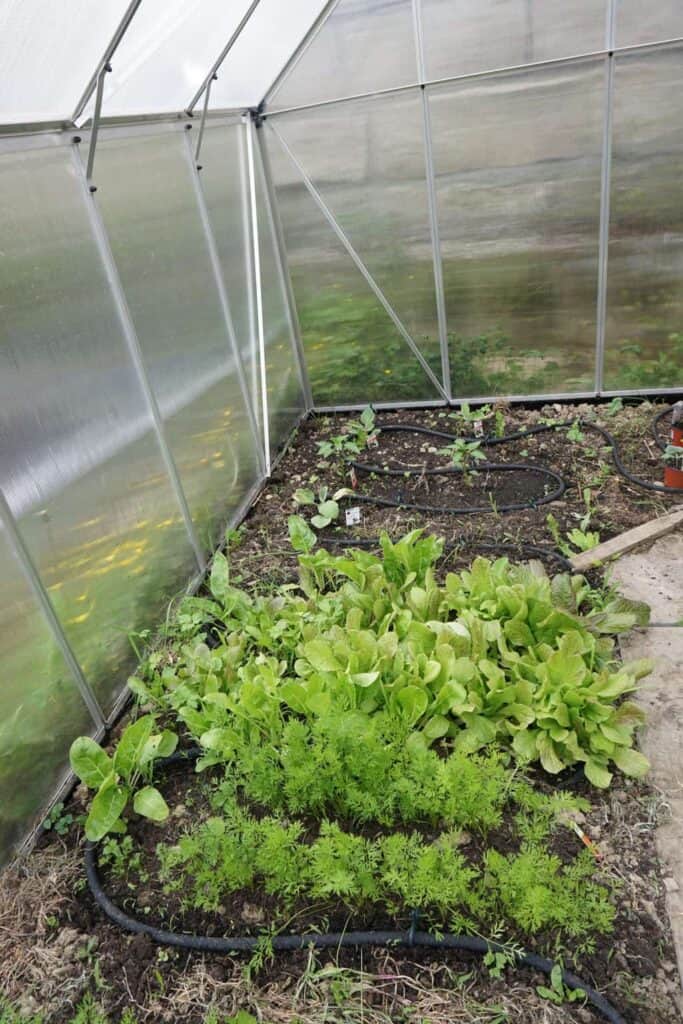
The first step to our Swiss Summer Garden planning this year was, in March, we constructed a Green House. Since the seasons are very short in colder climates our vegetable gardening and harvesting time is also not ideal to get bigger yields and varieties. So, one of the main reasons we invested in a green house was to extend the season and plant some exotic vegetables which need more warmth and sunlight.
After we constructed the green house, we started with our planting season. You can read my blog post on Swiss Organic Spring garden . To enable the easy irrigation within the green house, we installed a Snip and drip irrigation system. This really saved us the trouble of extending the long hose pipe till the green house. The plants can be gently watered with this system.
After planting a few salads, carrots and some exotic vegetables, we needed a tomato house. So we opted for a temporary one and constructed with the minimum of cost.
Our Organic Garden in June
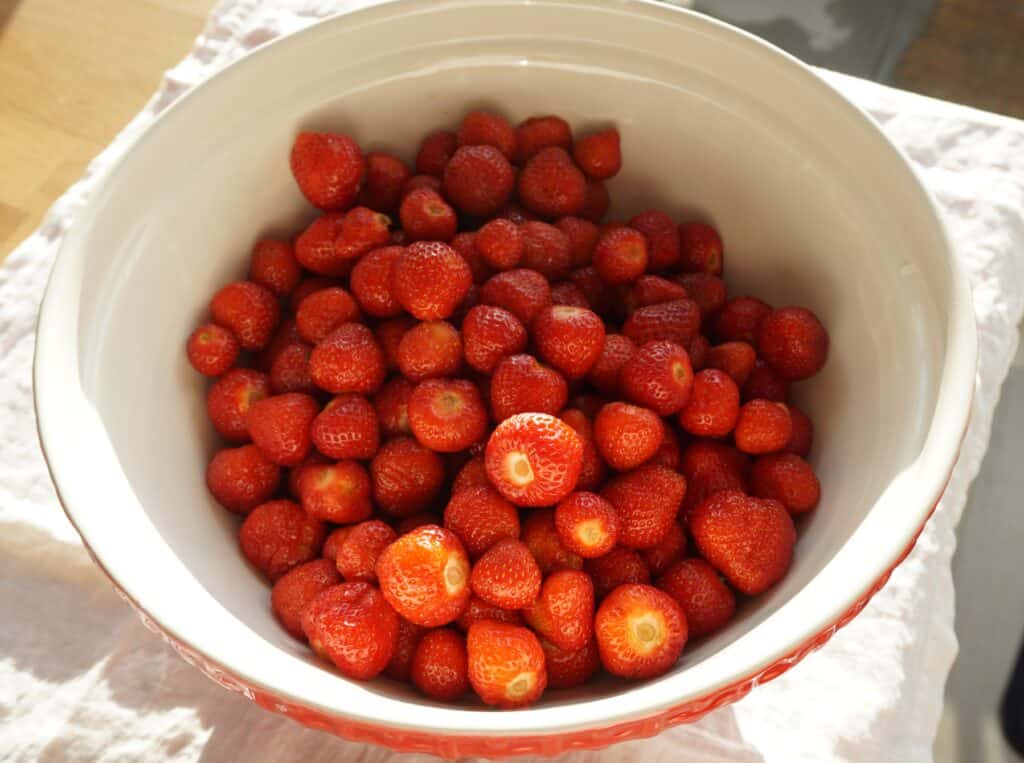
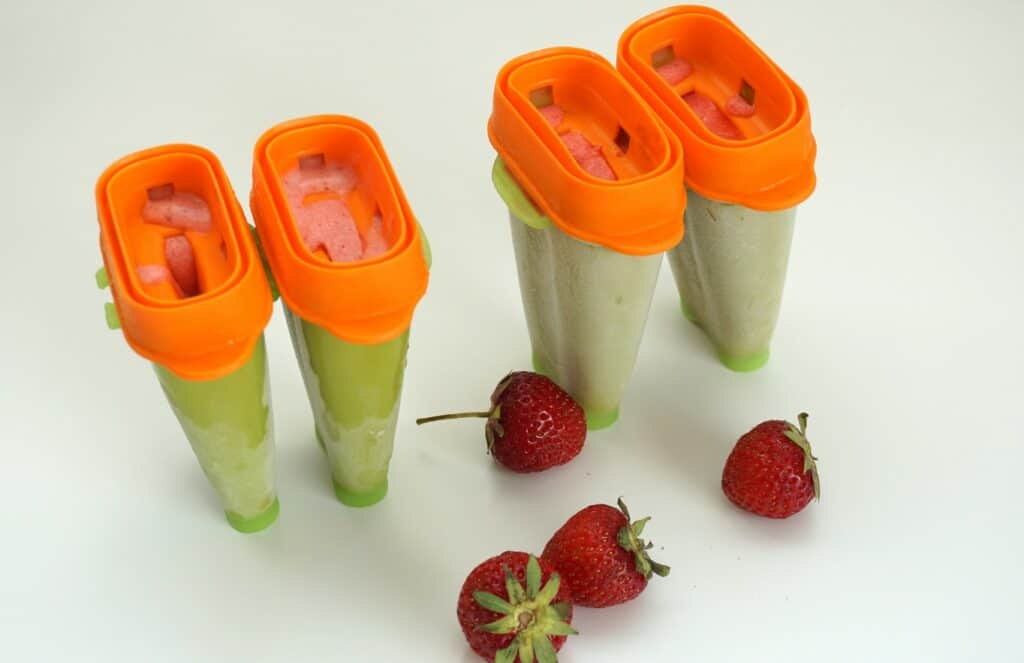
June was a little disappointment. This is when the Swiss summer is supposed to begin. But we had a very cold and wet spring. As a result of which many of our saplings didn’t thrive. Our last attempt to recover was to replant some of those seeds and saplings again. That has worked, I will be sharing a future post on result of that groundwork we did in June. By end of June we harvested a lot of strawberries in addition to some of our perennials like Rhubarb, Redcurrants and Mint. I shared a few recipes with strawberries in my earlier blog posts: Strawberry Jam and a yummy Eggless Strawberry Ice Cream.
Summer Organic Garden Harvest and Fall Garden Planning
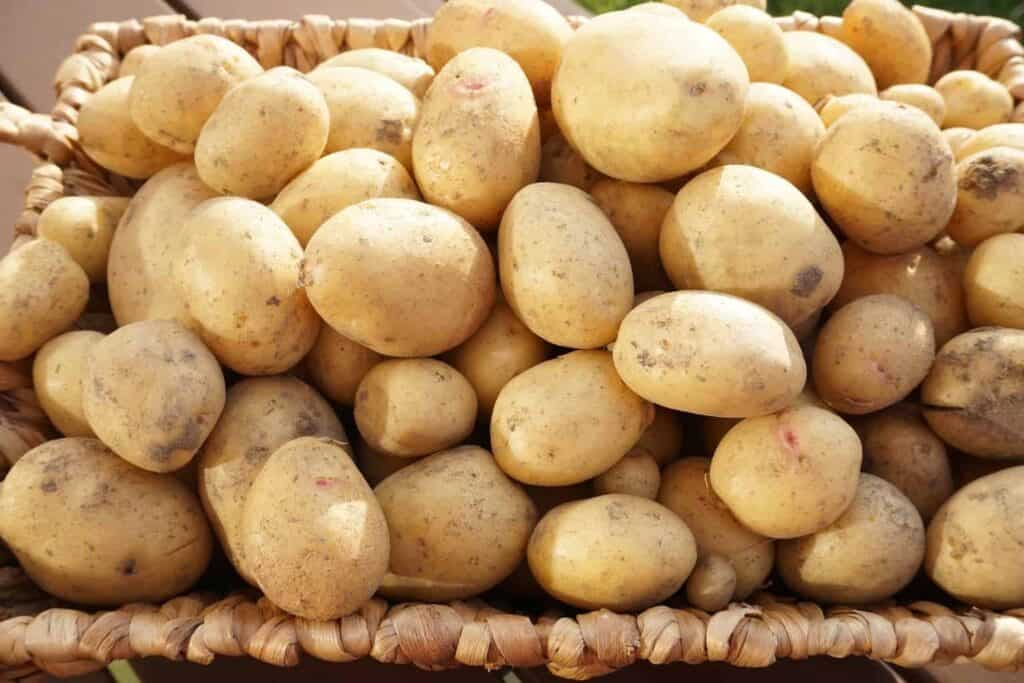
The month of July was slow. All the plans for our Summer harvest was a little disappointing. This year was one of those cold summers which one can expect after a span of 2 good summers. Our garden was overgrown with weeds due to our neglect and our busy schedule. So we started planning for a good fall garden. We also saw some success from our spring garden planting. We harvested a few varieties of potatoes and the carrots from our green house. You can read about this here – Summer organic Garden.
Due to the lack of bees we started to pollinate the eggplants manually and it has paid off. We could harvest some eggplants and we are still harvesting the last of them in fall too.
De-weeding and fall garden planning was our main aim in August.
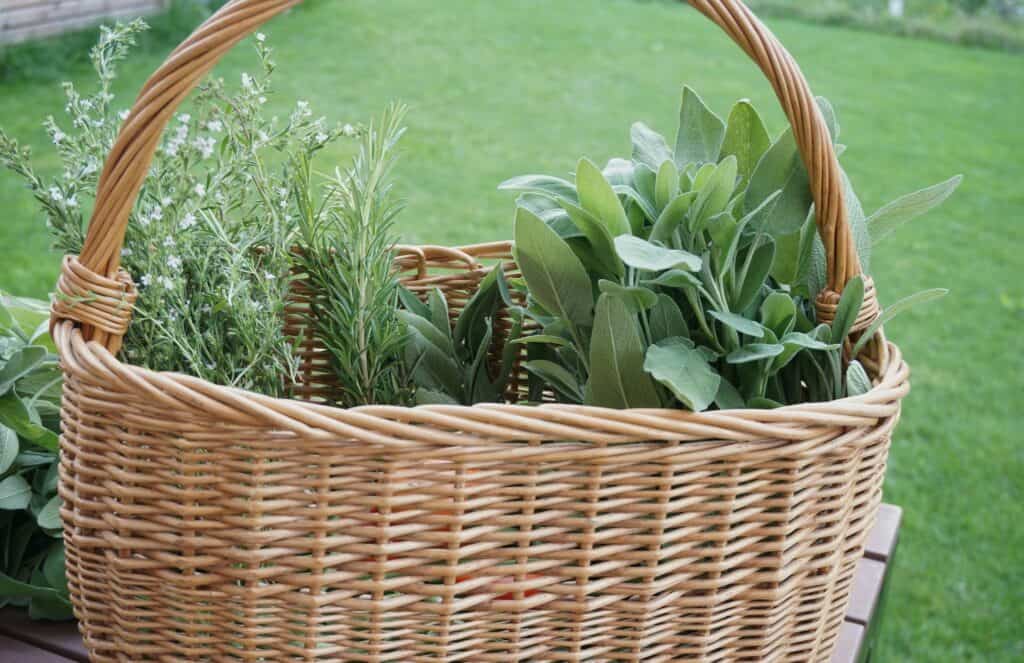
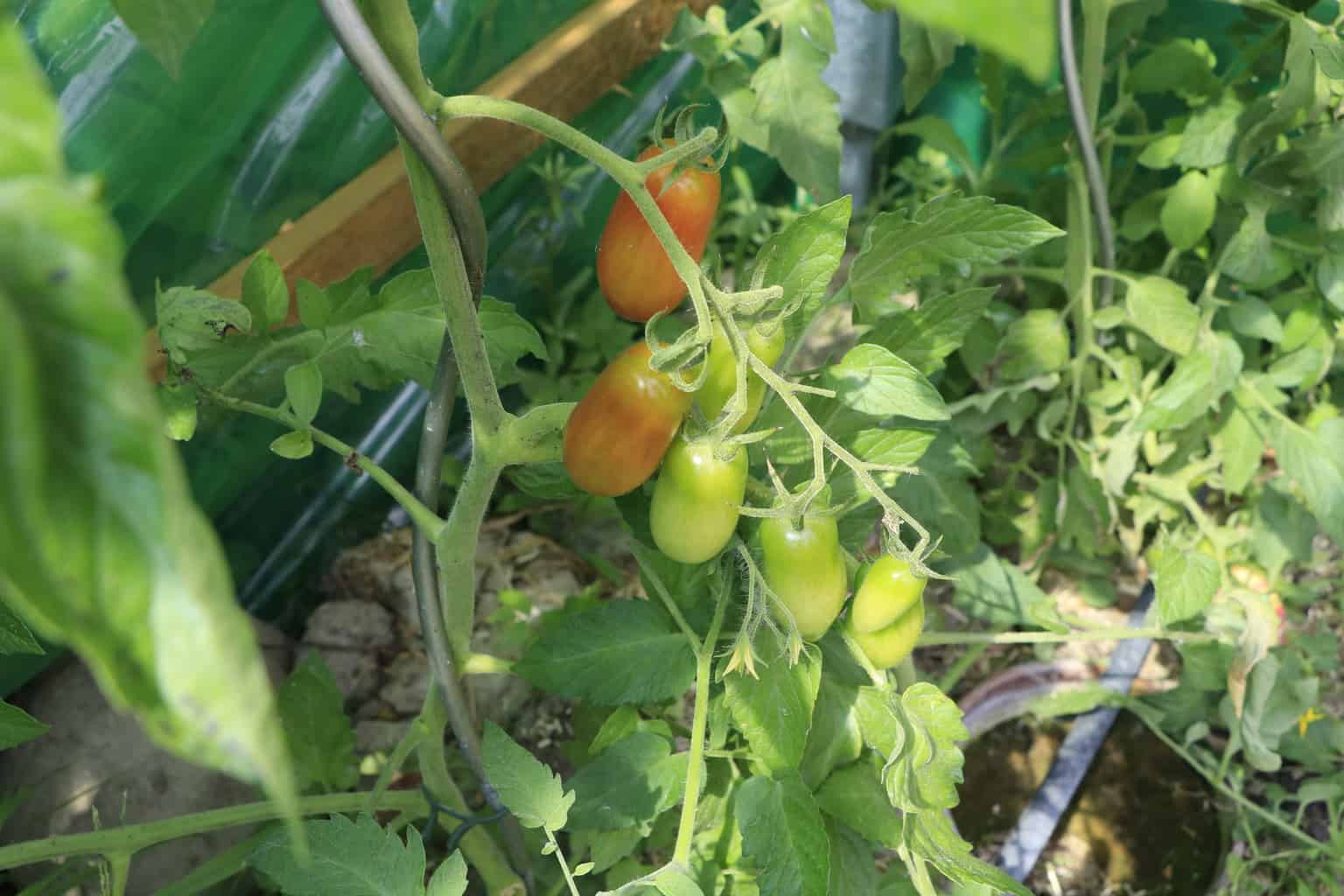
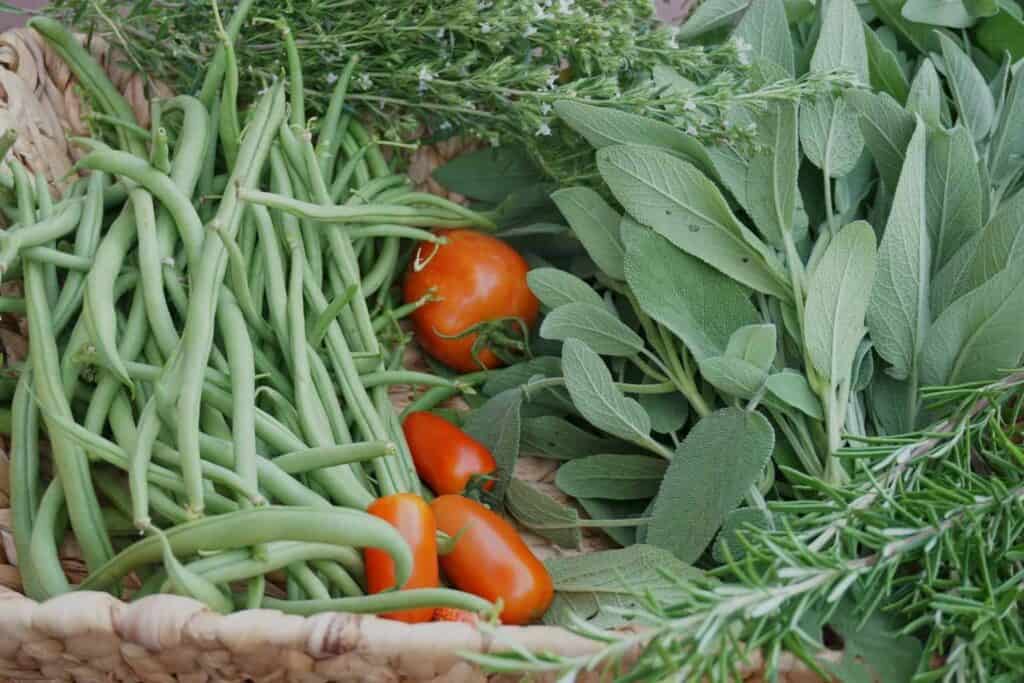
We did harvest a few tomatoes which were starting to ripen at this stage. I was a little disappointed this year with the yield. Due to lack of enough sunny and warm days, the plants didn’t yield as much as last year. But they are still yielding a little till date. Just not as much to preserve for the winter and spring. We were lucky last year that we could use the frozen tomatoes till July of this year.
Early Fall Weather
By mid of august we have been experiencing Fall weather which is a little early this year. We are now well into fall and the temperatures have been dropping steadily ever since. So, we will now start with winter garden planning and prepping our Green house for winter vegetables. I will be writing a separate blog post on our Fall garden. So keep your eyes peeled for the next garden update and post.
Thank you for taking the time to read this post.
