
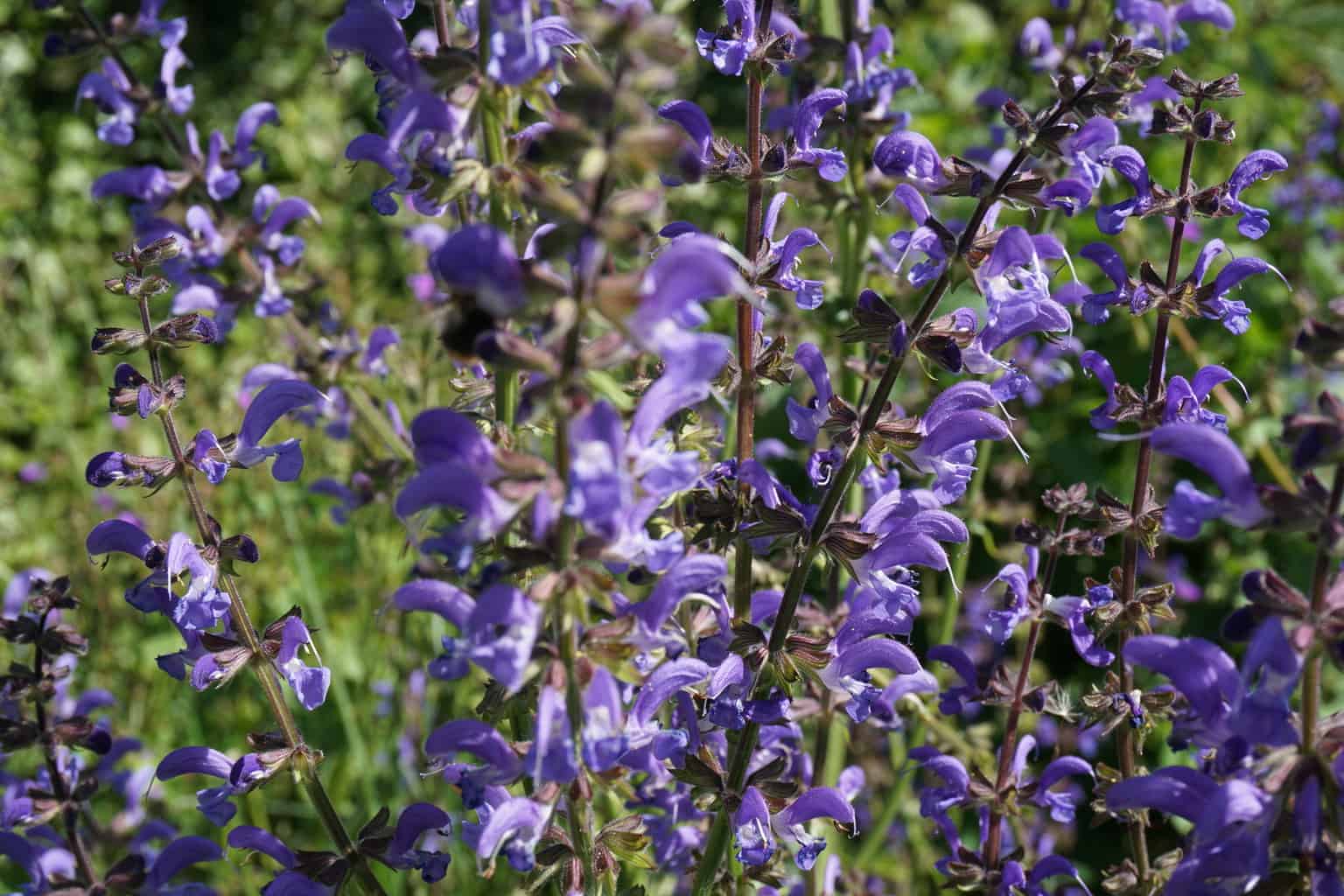
Organic Gardening in June is a busy month with just a hint of summer on the way. After the SPRING PLANTING SEASON, things got a little slow due to the cold and wet weather. We at the Swiss garden are now reaping the benefits of perennial plants and are harvesting some of these goodies.
Re-planting our tropical vegetables

Organic gardening in the month of June is still a time to salvage some failures of some plants. Due to the cold and long Spring, most of the tropical plants which we planted failed to survive. June was still our last attempt in trying to sow these seeds again. The temperatures are warmer and now we can keep them directly in the green house. The added stress of control temperatures will hopefully be eliminated. The ground has also warmed up which will hopefully enable these seeds to sprout and thrive successfully.
We soaked some of our heirloom seeds like Bitter Melon, Snake gourd , and Okra for about a few hours. Then we planted them into a small raised bed and placed this bed inside our GREENHOUSE. Since the temperatures are warmer both inside and outside the greenhouse, these seeds will sprout sooner than in April and hopefully thrive without too much effort from our part.
ORGANIC GARDENING IN JUNE VIDEO
June Organic Garden harvest
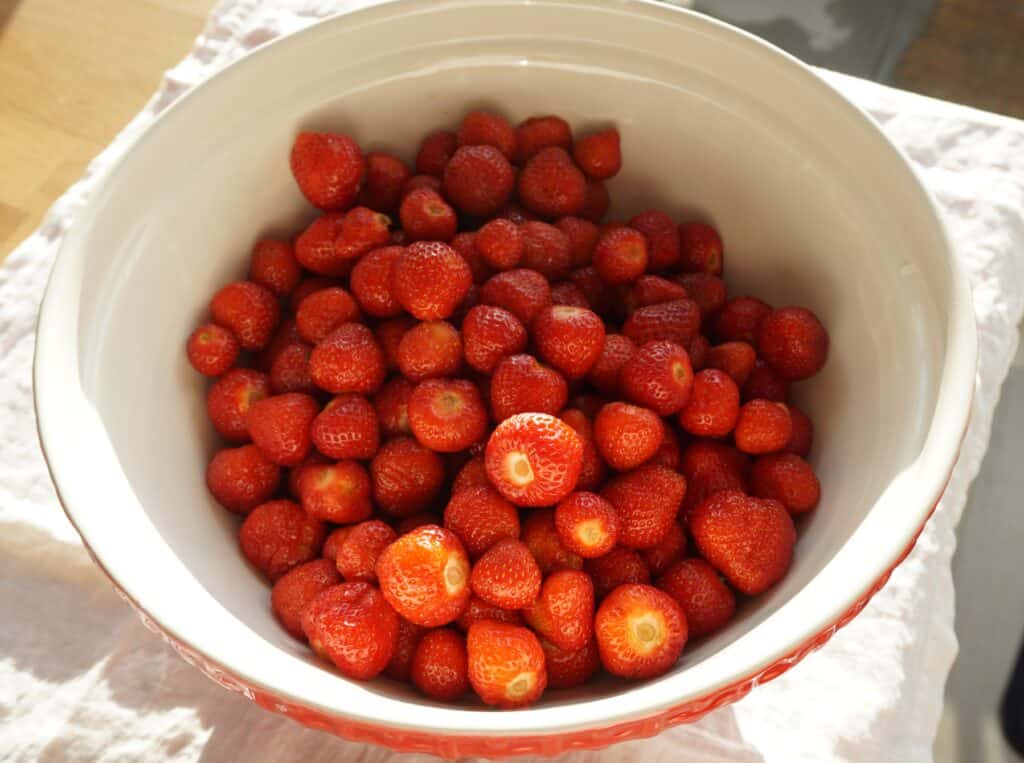
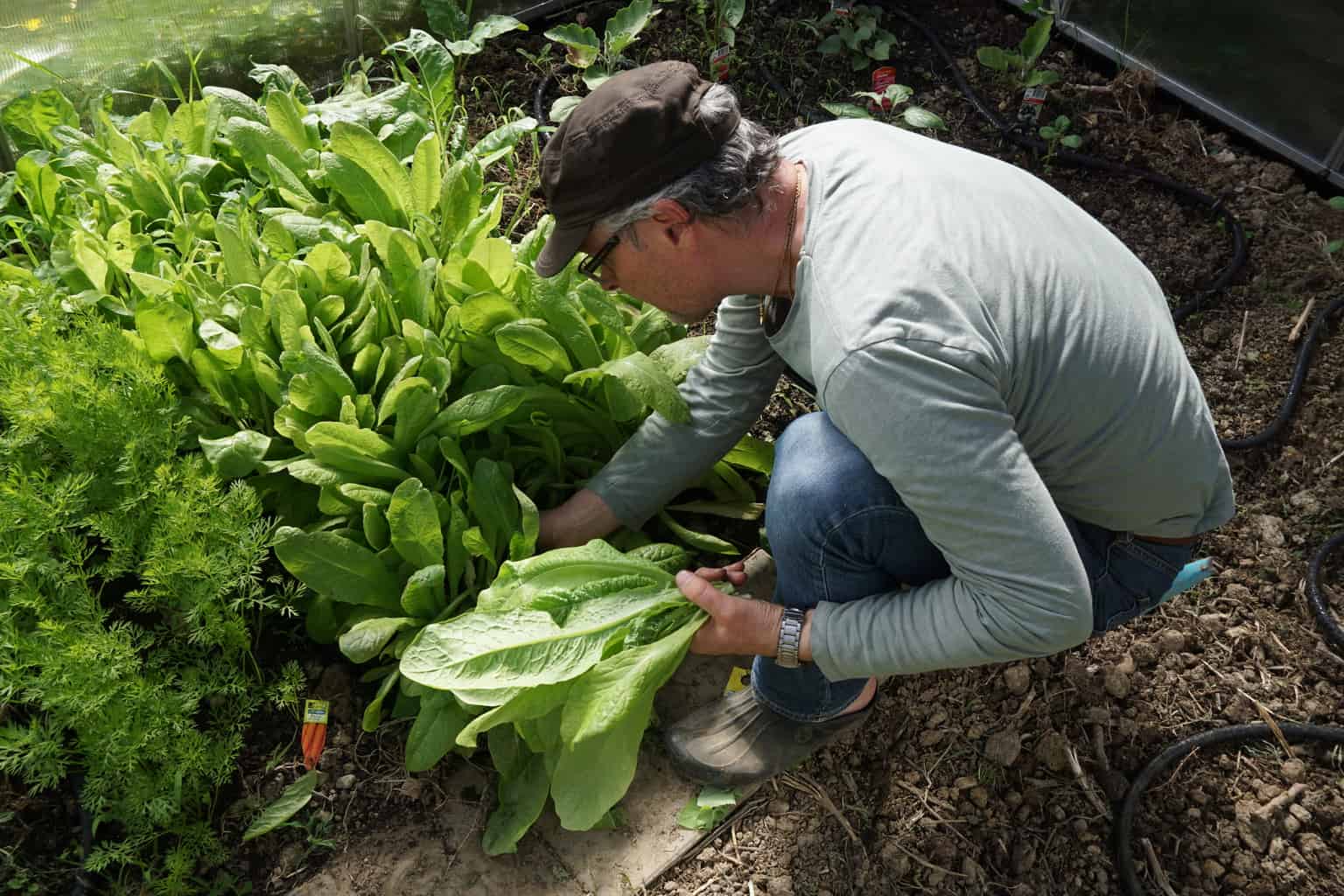
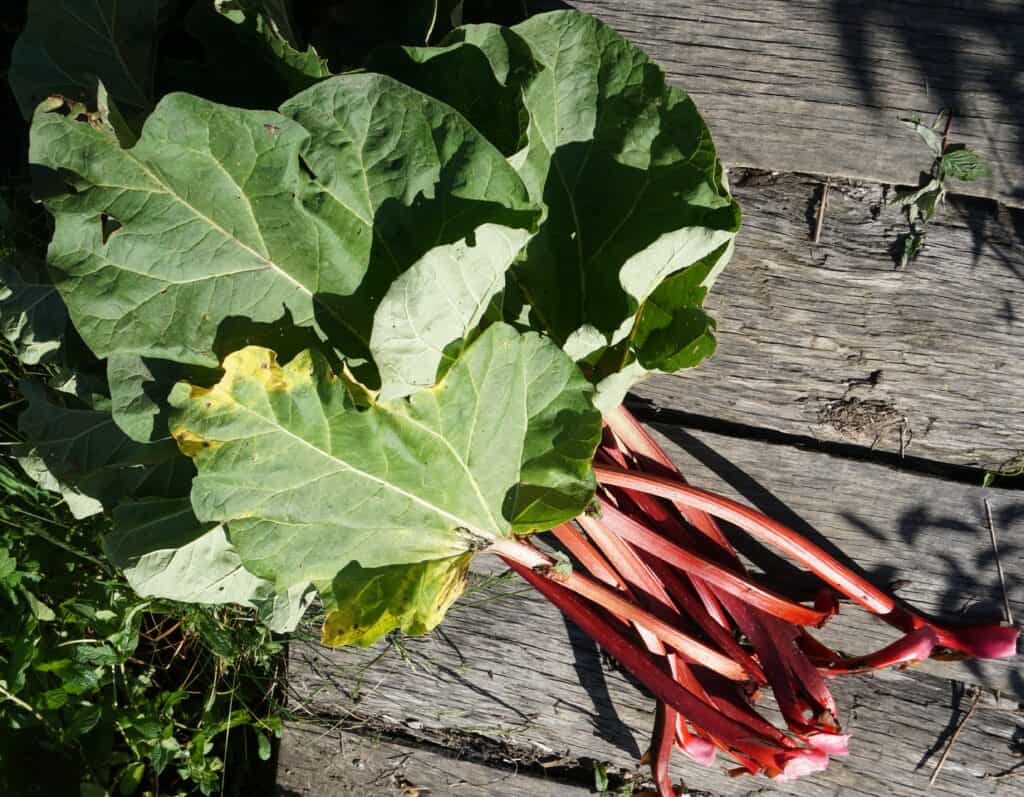
Our June Organic garden also saw a lot of success from some of our perrenials like Rhubarb, Mint and Strawberries. The Strawberries are at their peak now. Due to the delayed warm spring, the strawberry harvest is delayed by a couple of weeks when compared to last June. We are regularly harvesting the Lettuce from the greenhouse. And the plants like Aubergines, Bell peppers are thriving.
About a week back, we harvested a couple of carrots to see if they were ready, but they had not yet achieved a right size. We will yet harvest some of them to leave space for the remaining to double in size. Other seasonal vegetables like the spinach we planted in Autumn was ready. So was the Swiss Chard and Kohlrabi.
Our Thriving Organic Herb Garden in June
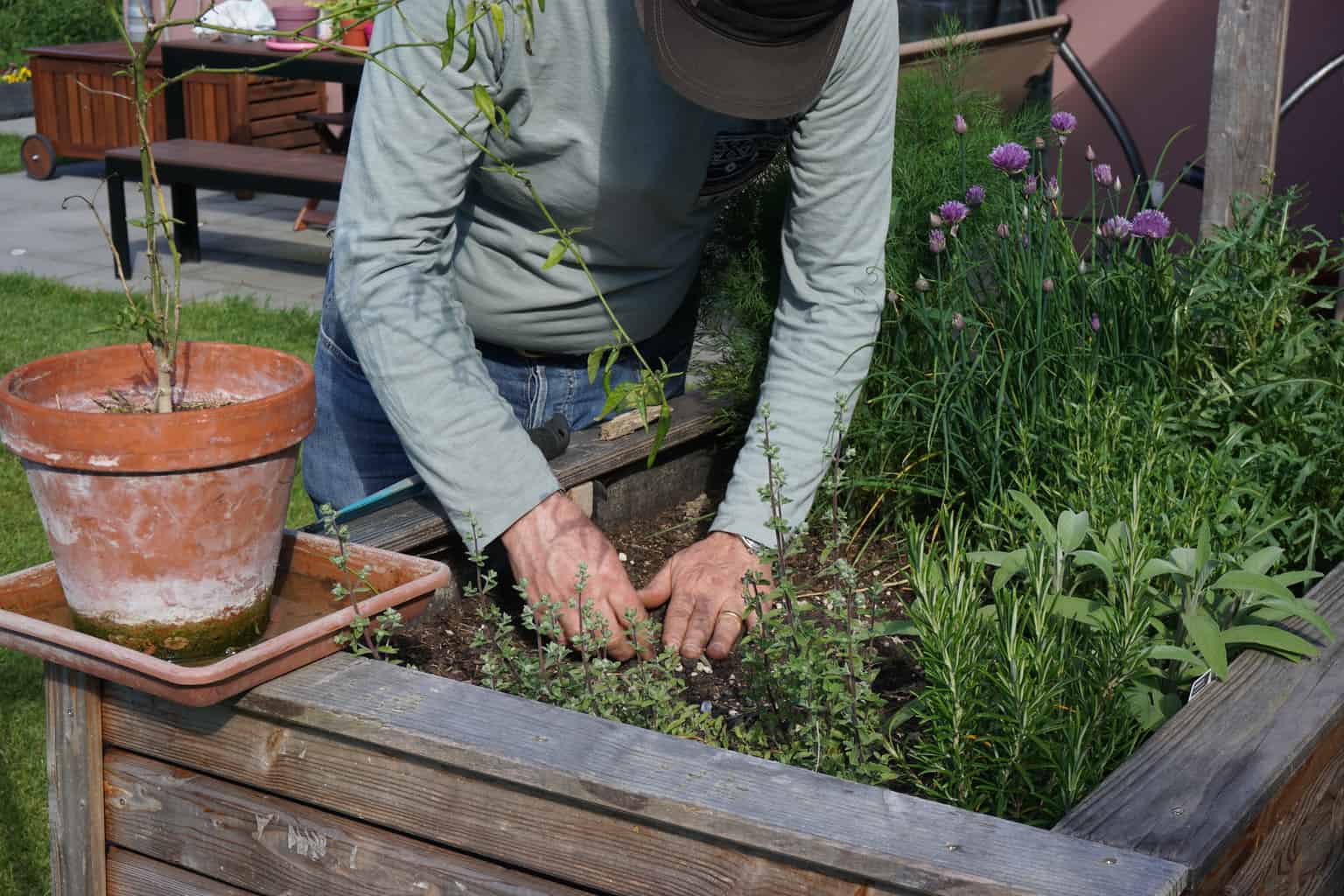
We will be using our raised beds primarily for our herb garden. Some of the herbs which we had planted last summer, like the Chives, Rocket salad, Sage, Thyme and Rosemary have survived the long cold winter. I have been regularly harvesting them. In addition to that we planted some Dill. The only herb which I needed was Cilantro. We had already planted them earlier, but they didn’t even sprout. Since there still time to sow in June, we sow some coriander. In addition to the smell and aroma, herbs are superb attractant plants when in flower. They bring bees and a huge range of beneficial insects into the garden.
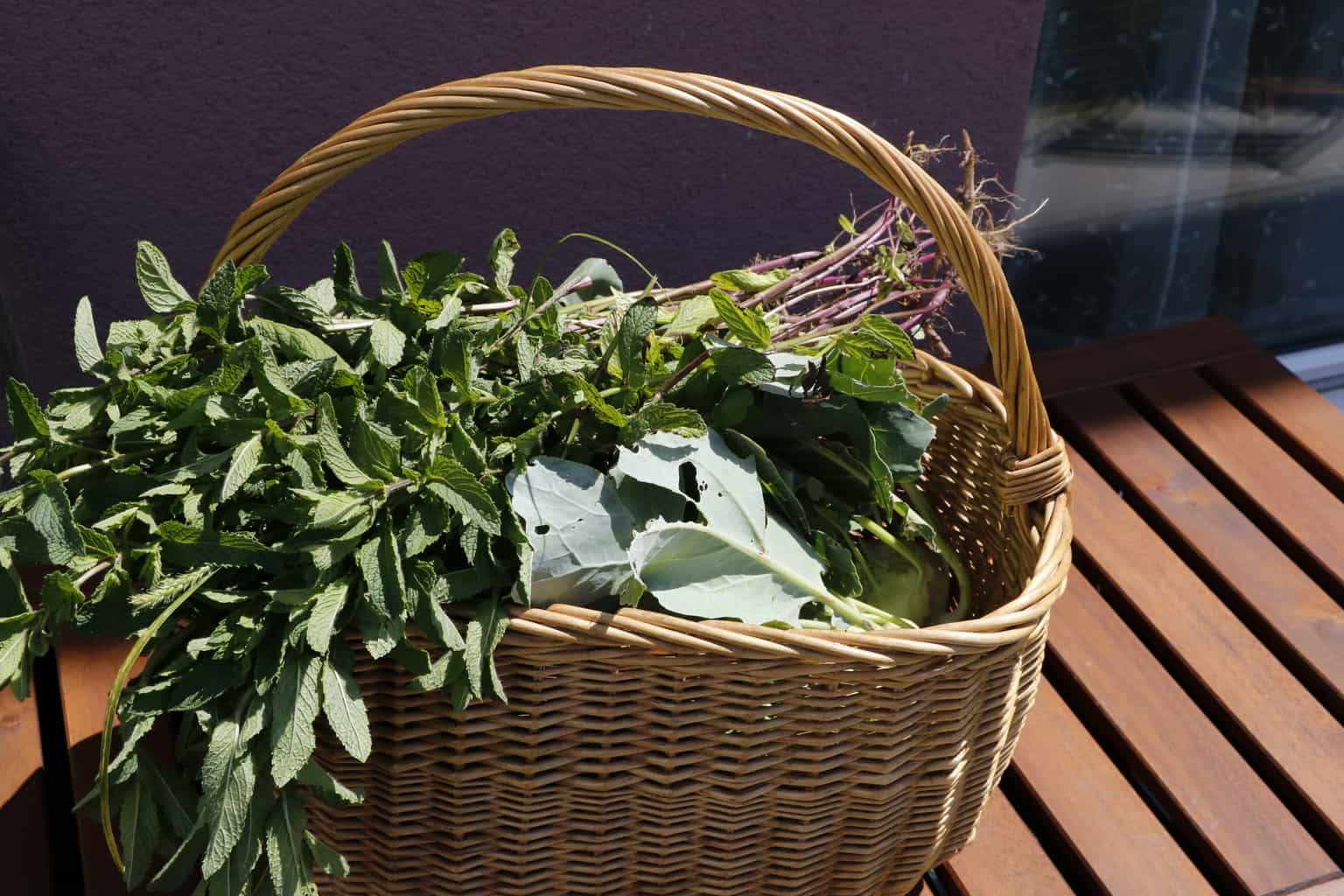
We have been regularly harvesting Chives, Rocket and mint leaves. Mint Chutneys and teas have become regular in our meals. Mint is growing in abundance, especially because we have planted it on the ground near the stream.
Harvesting, Composting and Planting
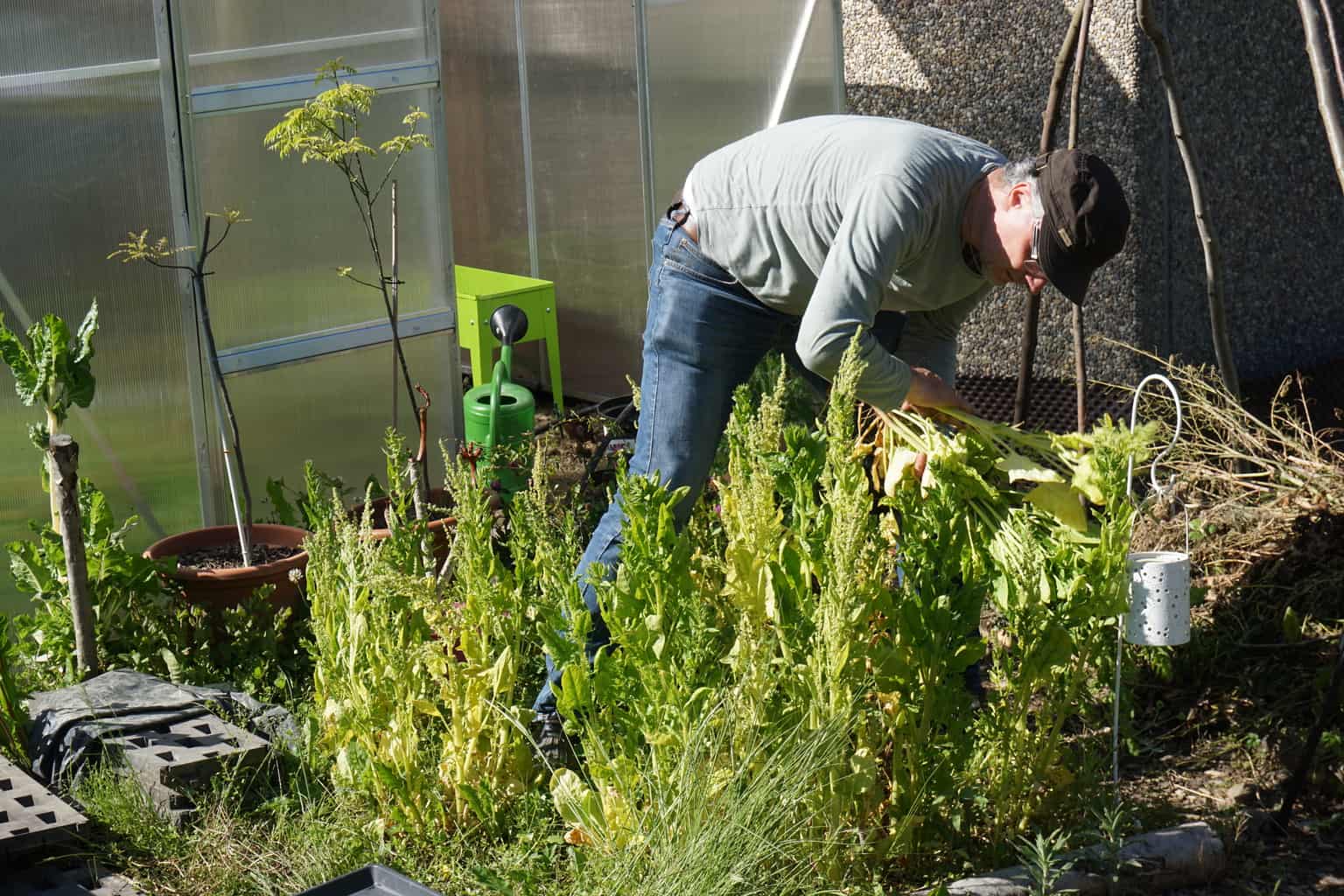
After harvesting our overgrown Spinach and Kohlrabis we have now empty patches to plant the next cycle of organic vegetables in June. If we prepare well in advance, we have a thriving garden for summer and autumn. Removing and composting the plants which reached their life cycle’s end is part of our June gardening.
Organic gardening is an ongoing process with each season and year changing constantly. In the end we have to plan strategies to remove the snails and slugs which are the main predators in our garden. They have been eating up all the new Pumpkin saplings, Cucumber and a few other saplings. We have suffered much loss in terms of cost and time. We have also been buying these Organic saplings from the garden center it has been wasted as grub to the slugs. Organic saplings are expensive in Switzerland. Due to the wet and rainy weather, these slugs and snails are having a field day in our garden. At the moment we are just hand picking them. Yet they seem to appear out of no where, probably because our neighbor doesn’t garden, they find our saplings a game.
On that note, I will conclude this post. If you have some effective tips to get rid of these slugs without poisoning I am all ears.

2 comments
I am Theja Ramanayake. From Sri Lanka.. I have done Agriculture Degree and MBA in University Peradeniya. I have 10 year experience vegetable home garden.. I think your articles on Web page is ecalellent
Thanks for the feedback. This will motivate me to bring more posts.